
Horizontal vs Vertical Sand Pump for Alluvial Gold Mining
A practical comparison of horizontal and vertical sand pumps for alluvial gold mining, river dredging and abrasive slurry transfer projects.
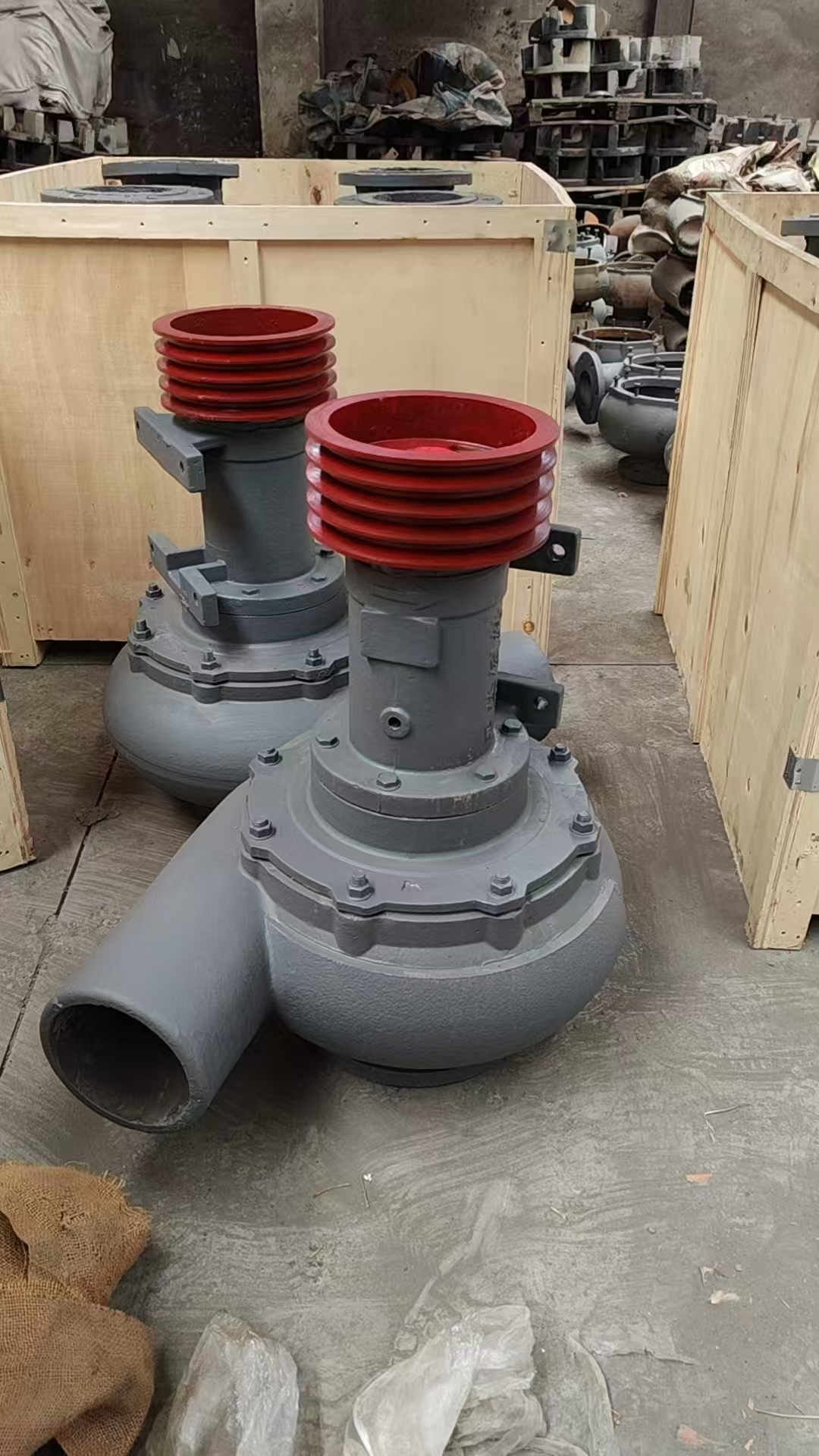
Choosing between a horizontal sand pump and a vertical sand pump is a common question for alluvial gold mining buyers. Both pump types can handle abrasive slurry, river sand and mining water, but they are not used in exactly the same way. The best choice depends on site layout, suction conditions, pumping distance, solids content and how the gold washing system is arranged.
For a buyer, the wrong choice can create practical problems: unstable suction, blocked pipelines, excessive wear, difficult maintenance or poor matching with the diesel engine. This guide explains how to compare a horizontal sand pump vs vertical sand pump for gold mining sites and how to decide which design is more suitable for a real project.
What a Horizontal Sand Pump Does Well
A horizontal sand pump is usually installed on a base near the water or slurry source. It is widely used for river sand pumping, slurry transfer, tailings movement, construction drainage and gold mining plant feeding. For many alluvial gold sites, a WSA horizontal sand pump is selected because it can provide stable flow and is convenient to connect with diesel power, hoses and discharge pipelines.
The horizontal design is practical when the pump can be placed on stable ground and the suction pipeline can be arranged correctly. It is also easier for operators to inspect the pump casing, impeller, pulley and bearing area. If the project requires longer discharge distance or a more fixed pumping station, the horizontal pump is often the first option to evaluate.
What a Vertical Sand Pump Does Well
A vertical sand pump is useful when the pumping point is deep, narrow or difficult for a standard suction arrangement. The pump can be positioned more directly in the working area, which helps reduce some suction problems. For pits, river sections, settling ponds and compact working locations, an LSA vertical sand pump can be easier to install and operate.
The vertical structure is especially helpful when the operator cannot easily keep a long suction pipe stable. In gold mining sites where water levels change or the available installation area is limited, the vertical pump may reduce setup complexity. It is often used as a practical field solution when mobility and access matter more than a fixed pumping layout.
Key Differences Buyers Should Compare
| Selection Point | Horizontal Sand Pump | Vertical Sand Pump |
|---|---|---|
| Installation | Installed on base near slurry source | Installed more directly into pit or working area |
| Best site type | Stable riverbank, plant feeding, longer transfer | Narrow pit, deep water, changing working point |
| Maintenance | Convenient for casing, impeller and pulley checks | Convenient for certain compact field layouts |
| Suction condition | Requires correct suction pipe arrangement | Can reduce some suction setup difficulty |
| Package matching | Easy to match with diesel engine and pipeline | Good for flexible site positioning |
How Pumping Distance Affects the Choice
If the project requires a longer discharge distance, the pump head and pipeline loss become very important. A horizontal pump package is often easier to design for longer transfer because the base, engine, belt or coupling and pipeline layout can be arranged as a stable system. The supplier can calculate the required head by checking vertical lift, horizontal distance, pipe diameter and slurry concentration.
For short transfer from a pit or river section to a nearby sluice box or washing plant, a vertical pump may be enough and may be easier to position. However, the final decision should still be based on the required flow, solids size and working hours. A small layout advantage should not replace proper pump selection.
How Solids and Wear Affect the Choice
Alluvial gold mining slurry can contain fine sand, coarse sand, gravel and clay. The higher the solids concentration, the more important the pump material and wear parts become. Both horizontal and vertical sand pumps need suitable impeller design, strong casing structure and correctly selected seals. Buyers should not only ask for pump price; they should also ask about spare parts, replacement frequency and maintenance access.
For sites with heavy abrasive slurry, it is smart to order a spare parts kit with the pump. Useful parts include impeller, casing or liner parts, sealing parts, gaskets, pulley parts and hose connection accessories. Machen Machinery lists related components on the slurry pump parts page so buyers can plan maintenance before shipment.
Diesel Power and Package Design
Many gold mining sites choose diesel power because the working area is remote or the electricity supply is unstable. Whether the pump is horizontal or vertical, the diesel engine must be matched with the pump curve and slurry conditions. If the engine power is too low, the pump may not perform well under heavy load. If it is too high, fuel cost and package cost may increase without real benefit.
A complete package may include pump, diesel engine, frame, coupling or belt drive, suction hose, discharge hose, clamps, flange parts and basic spare parts. For export projects, this complete package is often more valuable than buying one pump alone because it reduces installation risk at the mine site.
Simple Selection Guide
- Choose a horizontal sand pump when the site has stable ground and the customer needs longer slurry transfer or a fixed pumping package.
- Choose a vertical sand pump when the pumping point is narrow, deep or difficult for a long suction arrangement.
- Choose diesel power when the site is remote, mobile or not connected to reliable electricity.
- Always confirm flow, head, solids size, slurry concentration and discharge distance before ordering.
- Prepare wear parts and hose accessories together with the pump package.
Final Recommendation
There is no single pump type that fits every gold mining site. A horizontal pump is often better for stable transfer and package design, while a vertical pump is often better for difficult pumping points and compact site conditions. The best way to choose is to share project details before quotation.
Shandong Machen Machinery Equipment Co., Ltd. can help buyers compare both options according to river depth, sand layer, working distance, discharge height, power source and gold washing plant layout. For more information, review the product range, visit the gold mining sand pumping application, or send project details through the contact page.
发表回复