
Slurry Pump Price for South Africa: What Changes a Factory Quote?
Factory guide to South African slurry pump pricing, including duty point, pump material, motor or diesel drive, hose, spares, packing and delivery scope.
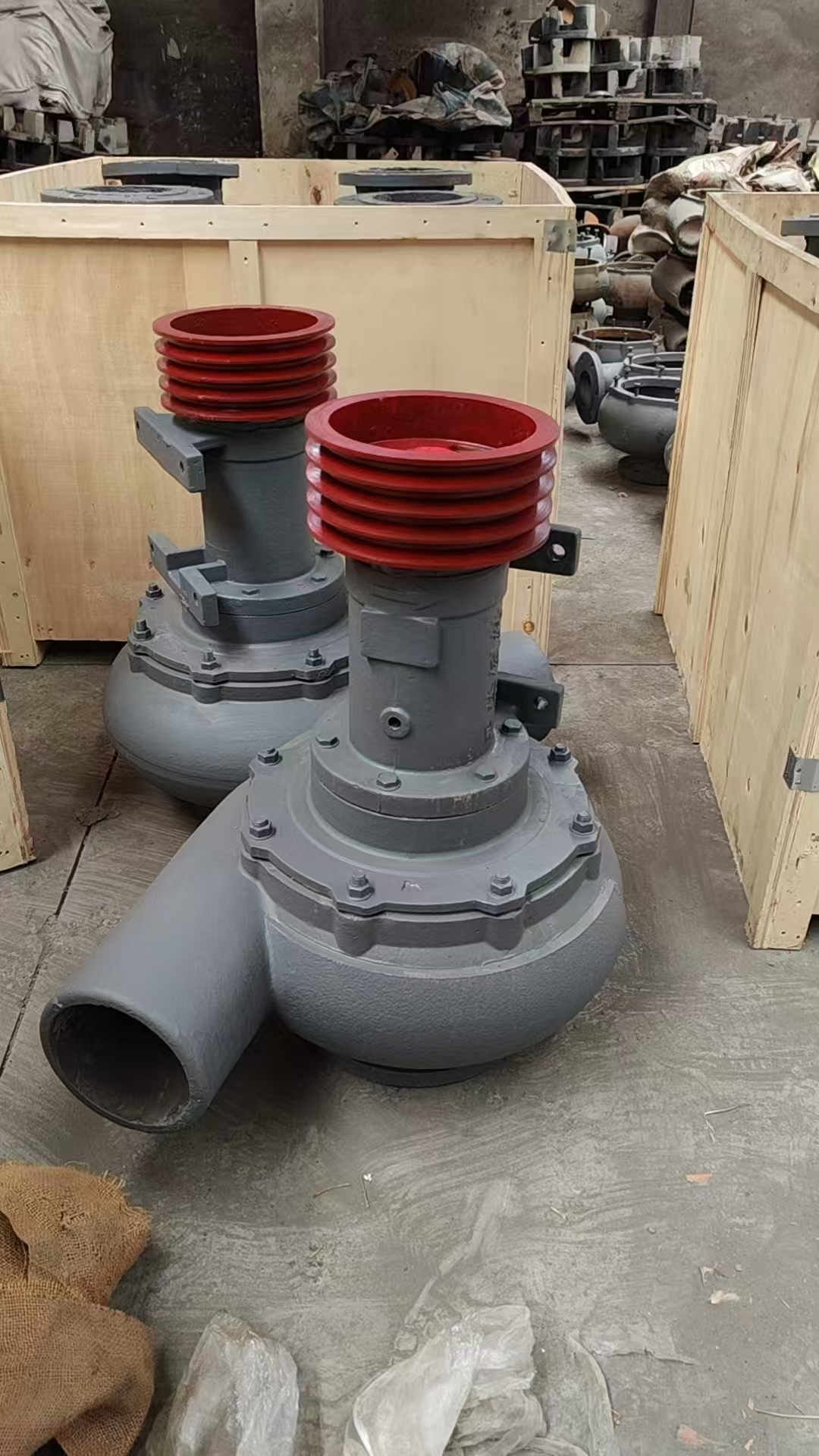
A South African buyer often starts with a direct question: “What is the price of a 6-inch slurry pump?” We understand why. A budget needs a number. But outlet size alone does not define the pump we must manufacture or the package that must arrive at the mine.
At Shandong Machen Machinery Equipment Co., Ltd., we build a quotation from the operating duty and the supply boundary. A bare pump, a pump with an electric motor and a diesel-driven package with hose and spare parts can all be described as a 6-inch pump, while their factory scope and landed cost are very different.
We therefore do not publish one fixed slurry pump price for every South African project. We show what changes the quotation, what information removes unnecessary allowances and how a buyer can compare two offers line by line.
First Compare the Supply Scope, Then Compare the Total
The lowest number on a quotation is not always the lowest price for the same equipment. One offer may cover only the pump body. Another may include the drive, base, transmission, coupling pieces, guards, hose and an initial set of wet-end spares.
| Quotation scope | Usually included | Questions to ask |
|---|---|---|
| Bare pump | Pump and the standard parts installed in it | Is the pulley, coupling or base included? |
| Electric package | Pump, motor and agreed base or transmission | Are voltage, frequency, starter and cable in scope? |
| Diesel package | Pump, engine, base, pulley, belts and guard as specified | Is the fuel tank, battery or site wiring included? |
| Mine transfer package | Pump and drive plus named hose, adapters and starter spares | Are every hose section and flange listed? |
| Delivered quotation | Equipment plus the stated transport scope | Which Incoterm, destination and local charges apply? |
Our preferred format is an itemised quotation. It lets the buyer remove or add a component without hiding the effect on the complete package.
1. Flow and Total Head Decide the Pump Frame
The duty point is the first cost driver. We need the required flow and total head, not only the vertical lift. Total head also includes friction through the pipe or hose, bends, valves and the pressure required at the discharge point.
If the route is longer than first reported, the selected pump may need a different impeller, speed, drive or frame. Quoting a smaller pump before the route is known can create an attractive number that does not meet the mine duty. Quoting a pump that is larger than necessary increases the purchase price and can increase energy use and wear.
For South African mining enquiries, we ask for the vertical difference, horizontal distance, line diameter and major bends. Our South Africa slurry pump selection guide shows how those details are used before a model is confirmed.
2. Horizontal or Vertical Installation Changes the Package
A horizontal pump on a prepared base and a vertical pump working in a pit or sump do not use the same installation components. The pump position, suction arrangement and liquid level decide where we start.
Our WSA horizontal slurry pump is normally reviewed for a defined suction and discharge pipeline. Our LSA vertical slurry pump is considered when the pump must work closer to slurry in a pit, sump or tank. Column length, mounting details and drive arrangement affect the LSA quotation.
We do not move a buyer to the more expensive arrangement automatically. We choose the layout that can work with the actual slurry level and route.
3. Wet-End Material Affects Purchase Price and Wear Planning
The casing, impeller and other wet-end components contact the slurry. Their material and mass are a substantial part of the pump cost. Fine tailings, river sand and coarse angular mineral do not create the same wear or impact conditions.
Machen supplies WSA wet-end parts in white cast iron for abrasive mining duty, with the confirmed model and part combination recorded before production. Our published WSA range covers 4-16 inch system sizes, but material selection still depends on the slurry and operating speed.
A buyer should be cautious when two pumps have the same connection size but no material description. A lower initial quotation can simply represent a different casting, smaller component or incomplete scope. Ask each supplier to state the casing and impeller material and to identify the replacement part numbers.
4. Bare Pump, Electric Motor or Diesel Engine
Drive scope can change the quotation more than a small difference in the pump body. We separate three cases.
Bare pump
This is appropriate when the buyer has a compatible motor, engine or drive system. We still need the available speed, power and shaft or pulley arrangement. Existing horsepower alone does not confirm compatibility.
Electric motor package
Send the available voltage, frequency, starting method and any mine electrical requirements. The quotation must state whether it includes only the motor or also the base, coupling or pulley system, guard, starter and cable.
Diesel engine package
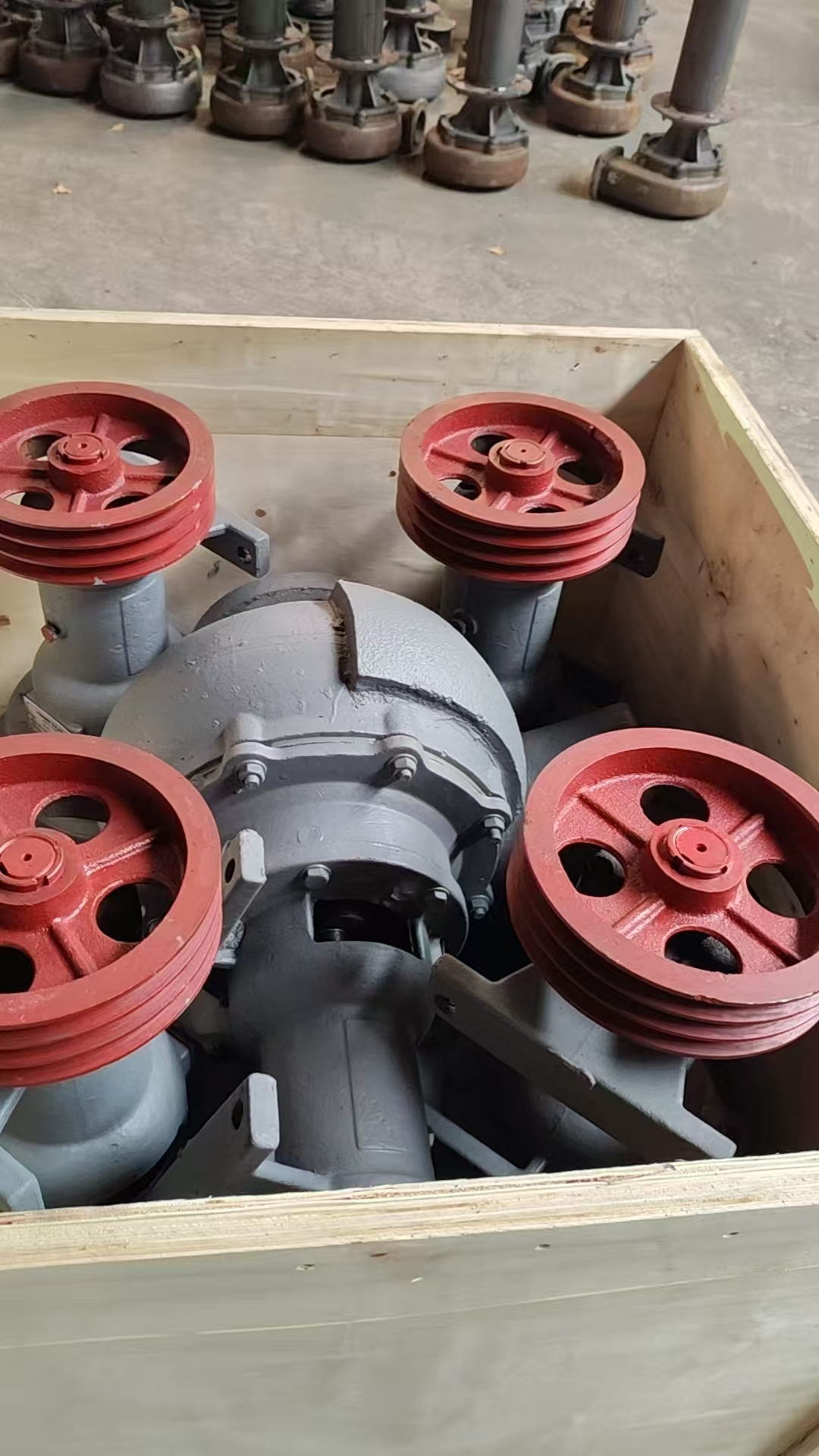
Remote gold and sand sites may prefer diesel power where grid supply is unavailable or unstable. We match engine power and rated speed to the pump duty and pulley ratio. Site elevation and ambient conditions should be included because they can affect usable engine output. Review our diesel engine package options for the current supply range.
5. The Base, Transmission and Guard Are Real Line Items
A complete package requires the pump and drive to be aligned and supported. Base fabrication, pulley or coupling selection, belts and a protective guard use material and workshop time. They should be visible in the quotation rather than assumed.
For a buyer-supplied engine or motor, we ask for a readable nameplate, shaft dimensions and rated speed. If those details arrive after production, the original base or pulley design may need to change. Sending them with the enquiry gives us a firmer price and reduces modification work at the mine.
6. Hose and Connections Can Be a Large Part of the Order
A long mine-transfer route may contain more hose value than the pump itself. We price clean-water hose, abrasive slurry discharge hose and suction-rated construction separately. Diameter, working pressure, section length and end connection all matter.
Our mining hose range includes wear-resistant rubber hose for suitable abrasive discharge duties and PVC flat hose for suitable clean or low-abrasion water transfer. The South Africa mining hose checklist lists the information needed for each position.
Every reducer, adapter, flange, clamp and gasket should appear in the scope. A quotation that says only “100 metres hose” is difficult to compare and can leave the site without the final connection piece.
7. Starter Spare Parts Change the Invoice but Reduce Reorder Risk
Abrasive slurry pumps consume wet-end parts. The question is not whether wear exists, but whether the mine has identified the correct replacement before the installed part reaches its limit.
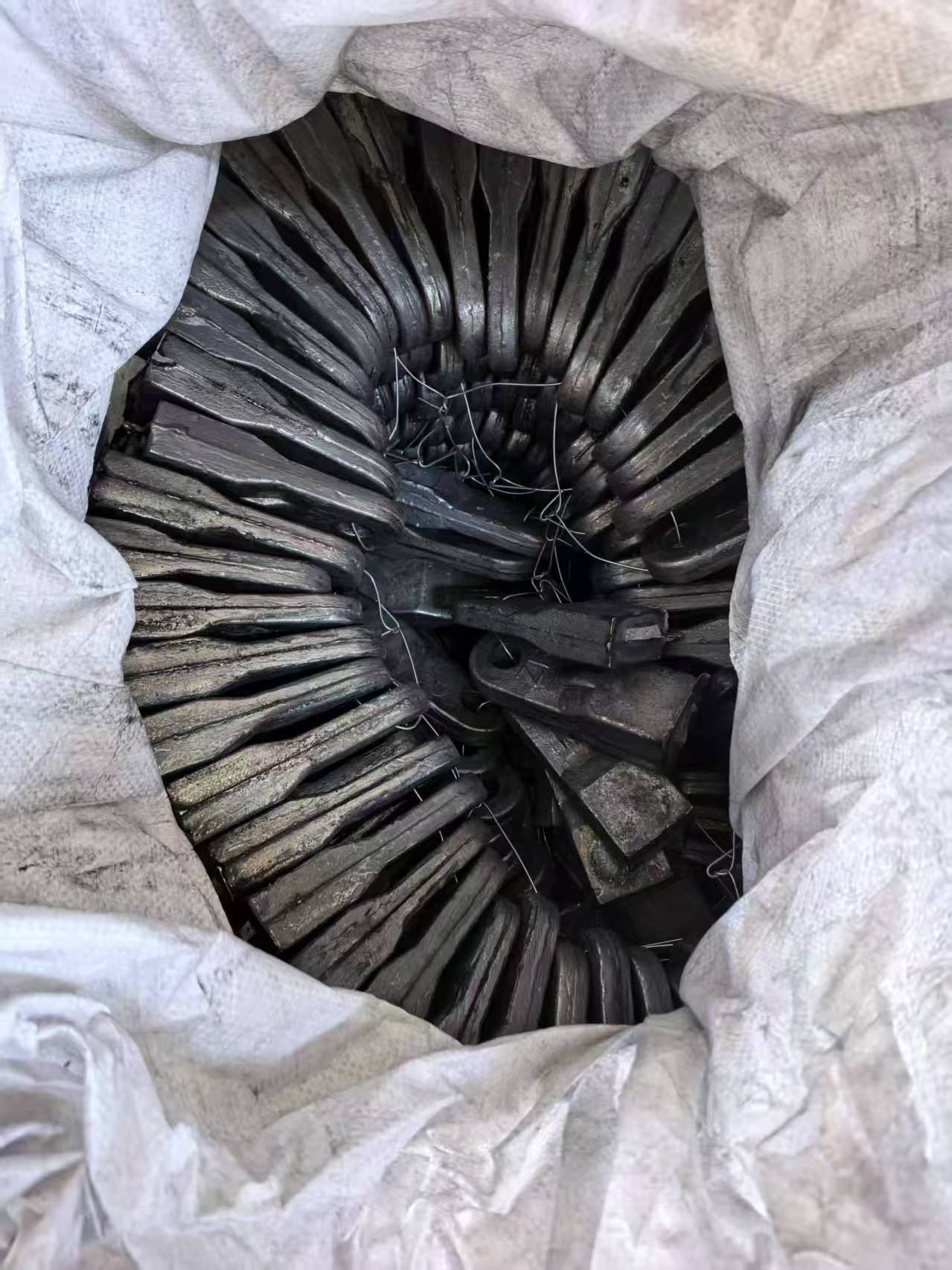
For a new WSA package, we discuss an initial slurry pump spare parts list. Typical items to review are the impeller, casing or second section, sealing items and drive consumables. We do not add every possible part automatically. Quantity depends on slurry severity, daily operating hours and replacement lead time.
When comparing offers, calculate the pump-only figure and the figure with the same spare-parts list. Otherwise, the quotation containing useful spares appears more expensive even though the bare equipment may be comparable.
8. Inspection, Testing and Documents Need a Defined Scope
Our normal factory process and any additional buyer inspection are not always the same scope. The enquiry should state whether the project needs a particular test record, material document, third-party inspection, special marking or packing photograph set.
Additional inspection or witness requirements can add preparation time and cost. It is better to include them before the purchase order than to request new documents after the pump has been packed. We only list documents that we can supply for the confirmed order; we do not use an unsupported certificate claim to make a quotation look stronger.
9. Packing Is Selected for the Actual Shipment
A bare pump, a base-mounted package and long hose sections require different packing. Export cases, steel supports, moisture protection and separation of spare parts affect the packing volume and workshop work.
We ask how the equipment will be unloaded and whether it will be stored before installation. Clear package marks are particularly useful when the pump, hose and spares move from a South African port or warehouse to an inland mine.
10. Delivery Terms Can Change the Number Substantially
Equipment price and delivered price are not the same. A usable South African quotation identifies the Incoterm, named port or destination, included freight and quotation validity. Ocean freight, exchange rates and local charges change, so they should not be hidden inside an undated general price.
For an FOB offer, the buyer compares the equipment and the named export scope. For a CIF or other delivered arrangement, the named destination and included transport need to be explicit. Import duty, VAT, clearance, inland haulage and unloading should be confirmed with the buyer’s freight agent unless the quotation specifically includes them.
Send the destination city, port or delivery point at the beginning. “South Africa” alone is not enough to calculate transport to a remote mine.
Why We Do Not Publish a Universal Price Table
A public table can be useful for a standard retail product. A slurry pump package is selected against a system. Publishing one price beside each outlet size would either omit essential components or build in a large allowance for unknown conditions.
Our factory can give a budgetary range after receiving the pump duty and package boundary. We issue a firm quotation when the key technical and delivery details are confirmed. This approach is slower than sending an unsupported number, but it produces a quotation the buyer can use for procurement.
How to Compare Two Slurry Pump Quotations
- Confirm the same duty point: flow, total head, slurry and solids must match.
- Confirm the pump construction: model, inlet and outlet, wet-end material and installed impeller.
- Confirm the drive boundary: bare shaft, motor or diesel engine, including speed and rated power.
- Confirm the mechanical package: base, coupling or pulleys, belts, alignment and guard.
- Confirm the hose list: duty, diameter, section length, quantity and every adapter.
- Confirm the spare list: exact part names, quantities and matching pump model.
- Confirm testing and documents: state any project-specific requirement before order.
- Confirm packing and delivery: Incoterm, named destination, freight validity and excluded local charges.
If one offer is still much lower after these eight lines match, ask about casting weight, material, pump speed and warranty boundary. The purpose is not to make every supplier identical. It is to find the reason for the difference before the equipment is installed.
What We Need to Prepare a South African Factory Quote
- Required flow and the process the pump must feed.
- Vertical lift, horizontal distance, pipe or hose diameter and major bends.
- Slurry concentration, largest particle, density if known and material photographs.
- Pump position, suction lift or pit depth and changing liquid levels.
- Electric supply or a clear existing engine or motor nameplate.
- Bare pump, electric package or diesel package requirement.
- Hose duties, total lengths, section lengths and connection drawings.
- Starter spare parts and expected operating hours per day.
- Required tests, documents, marking and packing instructions.
- Destination city or port and preferred delivery term.
A hand-drawn route is acceptable if it marks the pump, lowest slurry level, discharge point, distances and elevation. Send it through our project quotation page. We will return the assumptions with the equipment list instead of silently guessing them.
Questions Buyers Ask Our Factory
Can Machen give a budget price before all data are available?
Yes, when the buyer states which inputs are still estimates. We mark the assumed duty and supply scope, then revise the quotation after the site data are confirmed.
Is a diesel package always more expensive than an electric package?
The equipment scope is usually larger, but the useful comparison depends on available mine power, operating hours and the exact motor or engine package. We quote both options when the site can use either.
Does a bigger slurry pump always cost more to operate?
Not from size alone. The operating point, pump speed, efficiency, slurry and control method matter. An oversized pump running away from the required duty can be costly even when its purchase price looks acceptable.
Can we buy the pump now and add hose and spares later?
Yes, but we recommend confirming the connection list and identifying the spare part numbers with the first order. That avoids matching work after the pump has reached the mine.
Does the quoted price include South African taxes and inland delivery?
Only when the quotation states that scope. The Incoterm, named destination and exclusions control the answer. Buyers should confirm current import and local charges with their appointed freight or customs agent.
Our Factory Position on Price
Shandong Machen Machinery Equipment Co., Ltd. has manufactured sand and slurry pumping equipment since 2002. We want our quotation to show what we will actually prepare: the selected WSA or LSA pump, matched drive, connection pieces, hose and identified wear parts.
We will not use one low catalogue number to represent every mine. We will also not add a complete package without showing the line items. Review our slurry pump manufacturing and supply scope, then send the site duty and destination for an itemised quotation.