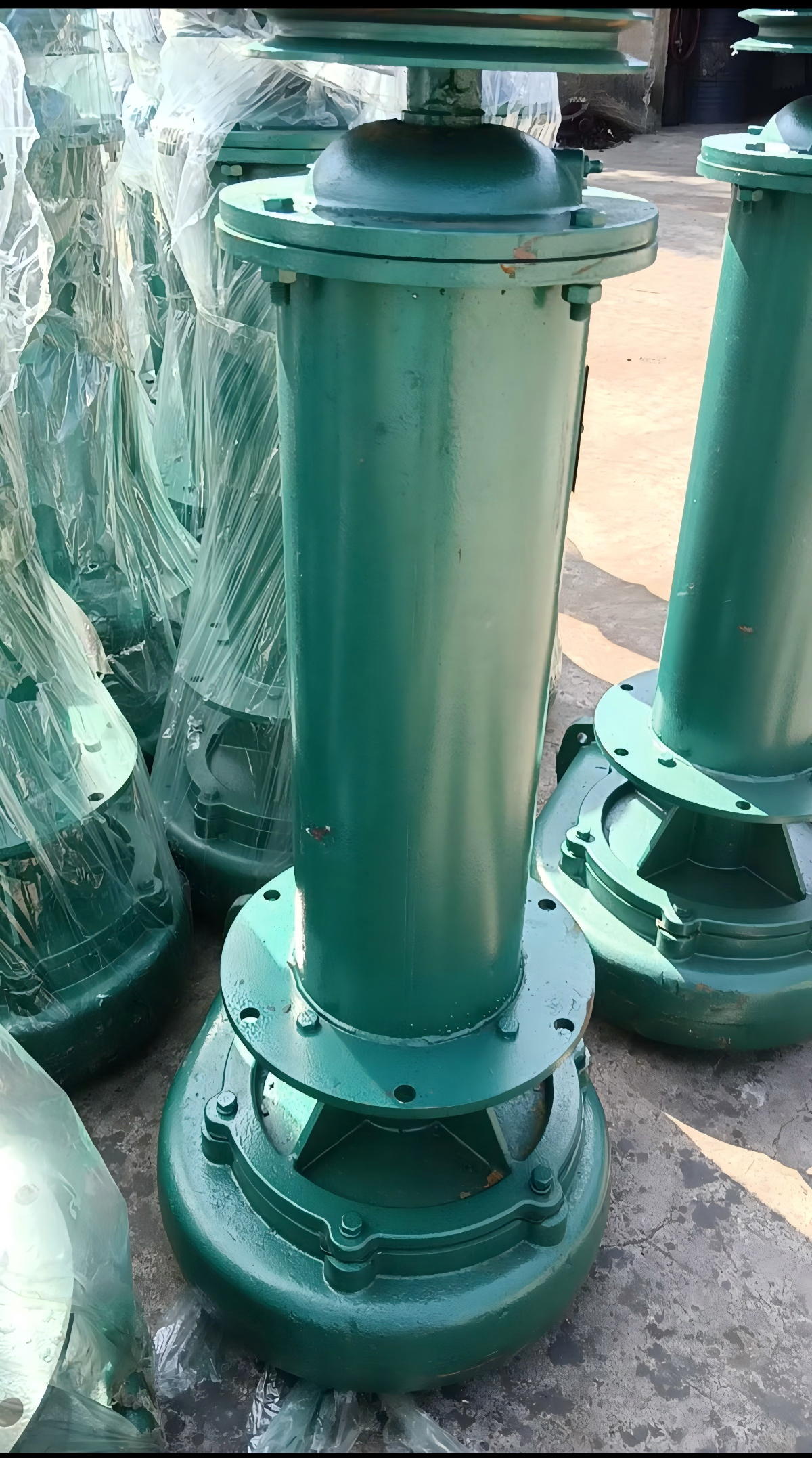
LSA Vertical Sand & Slurry Pump for Mining Sumps
LSA vertical sand pumps are used for pit, tank and sump pumping where abrasive slurry needs to be lifted from a lower working position. This product is usually selected for alluvial gold mining, river sand pumping and abrasive slurry transfer. Before quoting, Machen Machinery checks river depth, sand layer, discharge distance, power source and whether the customer needs hose, diesel engine and wear parts together.
Product Description
Vertical Pumping for Concentrated Slurry. The vertical arrangement is useful where the pump works near slurry pits, settlement tanks or confined installation spaces. It can handle high-concentration slurry containing coarse particles when the model is selected according to working conditions.
Field Selection. Confirm liquid depth, required head, flow rate, solids concentration, maximum particle size and installation method before quotation.
For an accurate quote, send the product name, quantity, river depth or working site, material condition, discharge distance, power source and destination country. Photos or short videos of the site are useful when the buyer is not sure which model to choose.
| Pump Type | Vertical sand pump |
|---|---|
| Use | Pit, sump and tank slurry pumping |
| Media | High-concentration slurry and abrasive particles |
The LSA page covers vertical pit, sump and tank duty. Compare it with the WSA range and Machen’s casting, package and spare-parts capability at the slurry pump manufacturer center.
LSA Vertical Pump Range and Installation
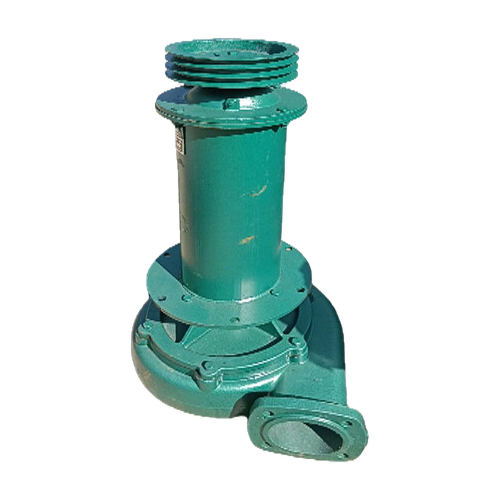
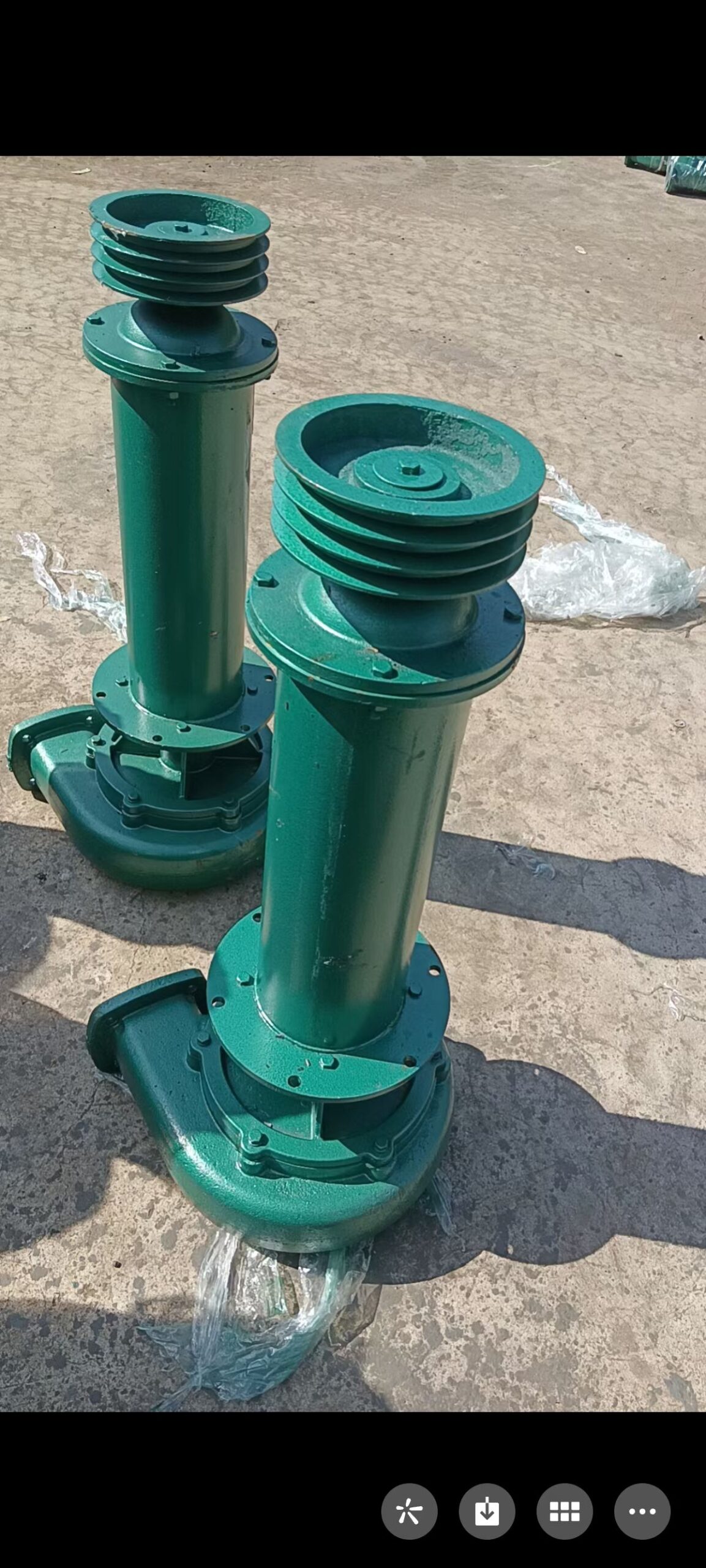
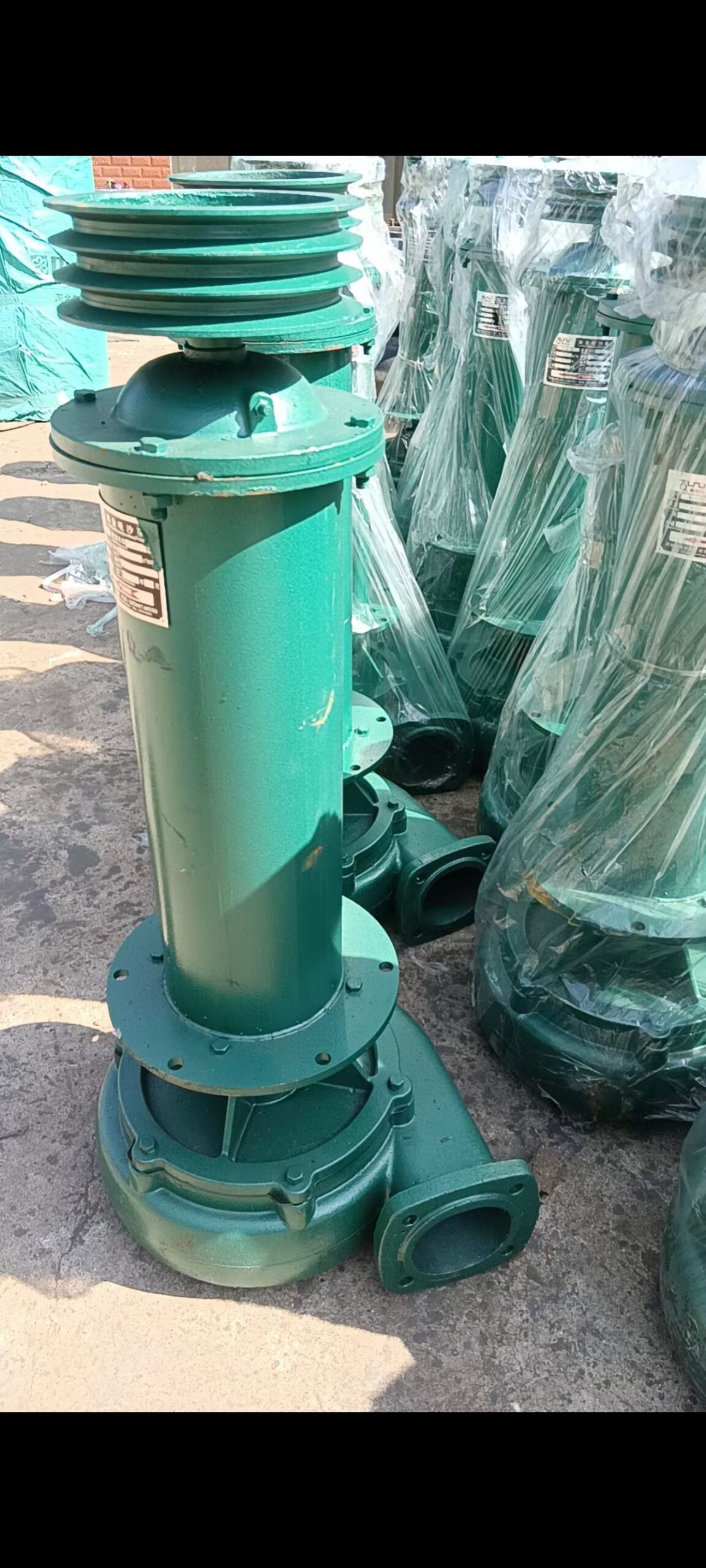
Machen supplies LSA vertical sand and slurry pumps for pits, sumps, tanks and river-side collection points. Factory photos show the long vertical column, top pulley drive and side discharge arrangement used to keep the drive above the working slurry while the lower pump section works close to the material.
The published Machen sand-pump system range covers 4 to 16 inch discharge sizes. This is a product-family range, not a promise that every size fits every site. The final LSA model, column length, pump speed and power package are confirmed from the required duty and installation drawing.
| Factory supply item | Confirmed scope |
|---|---|
| Configuration | Vertical column pump with top drive and side discharge for pit, sump and tank duty |
| Sand-pump system range | 4 to 16 inch discharge systems; exact LSA model selected by duty |
| Working media | Sand-water slurry, mineral slurry, tailings and other abrasive solids-liquid mixtures |
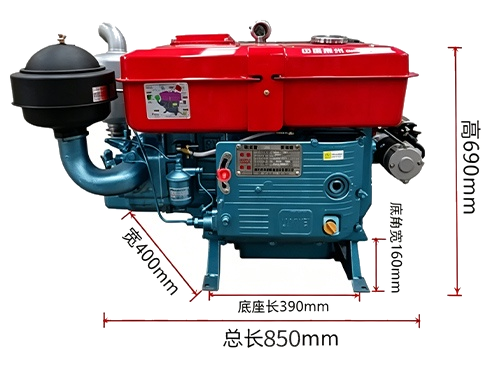
| Drive preparation | Pulley and belt arrangement matched with a diesel engine or electric motor after speed review |
| Manufacturing support | Cast pump components, CNC-machined matching surfaces, assembly checking and repeat spare-part supply |
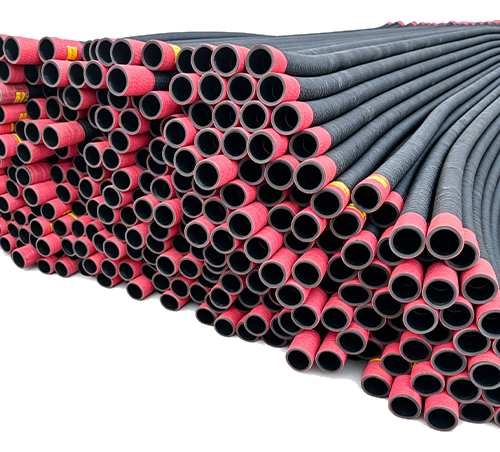
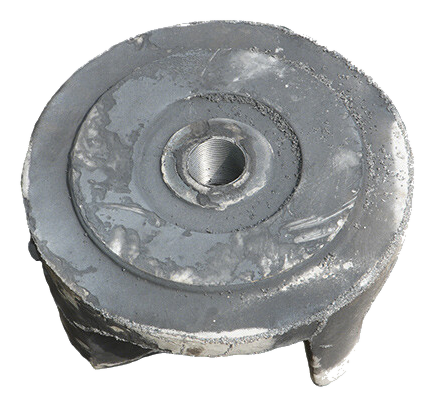
| Package options | Pump, drive parts, hose, couplings and a starter set of wear parts can be prepared together |
Data Needed to Set the Column and Pump Duty
For a vertical installation, the column cannot be selected from outlet diameter alone. We first check where the mounting platform sits, how the slurry level changes and how far the discharge line must run. This avoids a column that is too short, an inlet that sits in settled solids or a drive that is difficult to maintain.
| Site data | How Machen uses it |
|---|---|
| Pit or sump depth | Sets the starting point for column and mounting review |
| Normal and minimum slurry level | Helps position the pump inlet and check operating coverage |
| Platform opening and available space | Confirms mounting, lifting and maintenance access |
| Required flow and vertical lift | Defines the hydraulic duty together with line losses |
| Horizontal discharge distance and hose size | Adds friction loss and affects the selected outlet and power |
| Largest particle and approximate solids concentration | Supports passage, wear-part and operating-speed review |
| Power source and daily operating hours | Guides diesel or motor matching and spare-parts planning |
LSA Factory Preparation Before Shipment
After the duty and installation are confirmed, the factory checks the pump body and matching surfaces, column and shaft arrangement, pulley fit and discharge connection. For remote mining sites, the packing list can include the drive parts, hose connection and critical wear components in the same shipment.
Send a simple pit sketch with dimensions, site photos and the expected output. Machen will return the proposed pump size and package configuration for confirmation instead of publishing an unsupported universal flow or head figure.
Vertical Sand and Slurry Pump FAQ
Can an LSA pump be selected only from the outlet size?
No. Outlet size is only one input. Pit depth, liquid level, total head, line length, particle size, slurry concentration and power source must be reviewed together.
How is the vertical column length confirmed?
We use the pit depth, mounting-platform elevation, normal slurry level and required inlet position. A drawing or hand sketch with dimensions is normally enough to begin.
Can the LSA pump use diesel power?
Yes, a diesel or electric drive can be discussed. The pump speed is confirmed first, then the engine or motor, pulley ratio and belt arrangement are matched.
Which parts should be shipped with the pump?
The starter list is based on abrasiveness, working hours and freight lead time. It normally prioritizes the main wear components, sealing items and essential drive parts.
Related Products
Horizontal or Vertical
Compare the Installation Before Selecting LSA
Our South Africa slurry pump selection guide compares horizontal pipeline duty with vertical pit and sump duty, including the site data needed for a firm factory quotation.
Related Pump Resources
Use these guides and product pages to compare pump type, diesel power, hose, spare parts and mining site conditions before requesting a quotation.
Buyer FAQ
When is an LSA vertical sand pump suitable?
An LSA vertical sand pump is suitable for pits, sumps, tanks and deeper slurry positions where vertical installation is easier.
What working conditions should be confirmed?
Confirm liquid depth, solids concentration, maximum particle size, head, flow and whether the site needs diesel power.