
Diesel Sand Pump for Gold Mining Sites
A practical buyer guide for choosing diesel sand pump packages for remote alluvial gold mining sites, river pumping and abrasive slurry transfer.
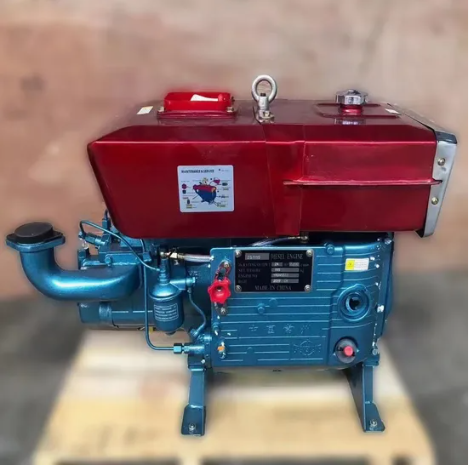
For many alluvial gold mining projects, the most important question is not only which pump can move sand, gravel and slurry. The real question is whether the whole pumping package can keep working in a remote river site where electricity is limited, water levels change, and abrasive solids are always present. This is why a diesel sand pump for gold mining is often selected for river dredging, tailings transfer, gold washing plants and temporary mining camps.
A diesel-driven sand pump package gives the operator more freedom than an electric pump. It can be moved between riverbanks, pits and settling ponds without waiting for a stable power supply. For buyers in Africa, South America and Southeast Asia, this flexibility is often the difference between a pump that looks good on paper and a pump that can actually keep production moving in the field.
When a Diesel Sand Pump Is the Better Choice
Diesel power is usually recommended when the mine site is far from a reliable grid, when the customer needs a mobile system, or when the pumping point changes during the season. In alluvial gold mining, a pump may be used to feed a sluice box, move river sand to a washing plant, discharge slurry from a pit, or clean a working area after heavy rain. These jobs require a system that can start quickly and work under variable conditions.
Compared with a fixed electric pump, a diesel package is easier to arrange as a complete field solution. The buyer can match the pump with a diesel engine, base frame, coupling, belt guard, suction hose, discharge hose and wear parts. For remote projects, this package approach reduces installation problems and makes spare parts planning easier.
Main Selection Factors
Before quoting a diesel sand pump, the supplier should confirm the working conditions. A good selection is based on site data, not only the pump model. The most important details include the sand layer depth, pumping distance, vertical lift, slurry concentration, particle size, working hours per day and whether the pump will feed a gold washing system or simply transfer material.
- Flow rate: The required capacity should match the washing plant or slurry transfer target.
- Head: The pump must overcome both vertical lift and pipeline friction loss.
- Solids size: Larger gravel needs a pump and impeller design with enough passage.
- Slurry concentration: Heavy slurry increases wear and power demand.
- Engine power: The diesel engine should have enough reserve power for difficult site conditions.
- Wear parts: Impeller, casing, liners and seals should be planned before shipment.
Horizontal or Vertical Pump?
For long-distance transfer and stable ground installation, a WSA horizontal sand pump is often a practical choice. It is suitable for river sand pumping, abrasive slurry transfer and alluvial gold mining sites where the pump can be placed near the water source. The horizontal structure is also convenient for checking the pump casing, impeller and pulley during maintenance.
When the working point is narrow, the water level is deep, or the pump needs to be inserted more directly into a pit or river section, an LSA vertical sand pump may be easier to use. The vertical structure can reduce some suction arrangement problems, especially when the operating area is limited.
In many real projects, the final decision depends on layout. If the customer can send photos or short videos of the riverbank, gold washing plant and discharge point, the supplier can recommend a more accurate pump and engine package.
What Should Be Included in a Complete Package?
A diesel sand pump should not be treated as only one machine. For export buyers, the complete package is more important. A good package can include the sand pump, diesel engine, belt pulley or coupling, base frame, suction pipe, discharge hose, clamps, flange connection parts, foot valve if needed, and a basic spare parts kit. This helps the customer start work faster after the goods arrive.
The engine should be selected according to the pump curve, not only according to price. If the engine is too small, the pump may lose performance when slurry becomes heavy. If the engine is too large, the initial cost and fuel consumption increase. The best choice is a balanced system with enough reserve power for real mining conditions.
Maintenance Points Buyers Should Not Ignore
Gold mining slurry is abrasive. Even when the pump is correctly selected, wear is normal. Buyers should check the impeller, pump casing, seals and hose connections regularly. When the flow drops, vibration increases, or fuel consumption changes suddenly, the pump should be inspected before a small issue becomes a long shutdown.
It is also important to keep spare parts on site. For remote projects, waiting for parts after a breakdown can cost more than ordering a basic spare kit in advance. Recommended spare parts usually include an impeller, casing or liner parts, sealing parts, gaskets and important connection accessories. Related parts can be checked on the slurry pump parts page.
How Machen Machinery Supports Buyers
Shandong Machen Machinery Equipment Co., Ltd. supports buyers by checking the working conditions before model selection. For a diesel sand pump quotation, the team will usually ask for river depth, sand type, pumping distance, discharge height, expected flow, power preference and whether the customer needs hose and spare parts together.
This practical approach is useful for alluvial gold mining buyers because pump performance depends on the whole site, not only one specification line. A correctly matched diesel sand pump package can improve pumping stability, reduce installation risk and help the gold mining site keep production moving.
For project selection support, buyers can review the gold mining pump products page or contact Machen Machinery through the inquiry page.
发表回复