
Slurry Pump Selection for South Africa
Factory guidance for South African mines selecting WSA or LSA slurry pumps by flow, head, solids, pipeline, drive power, hose and wear parts.
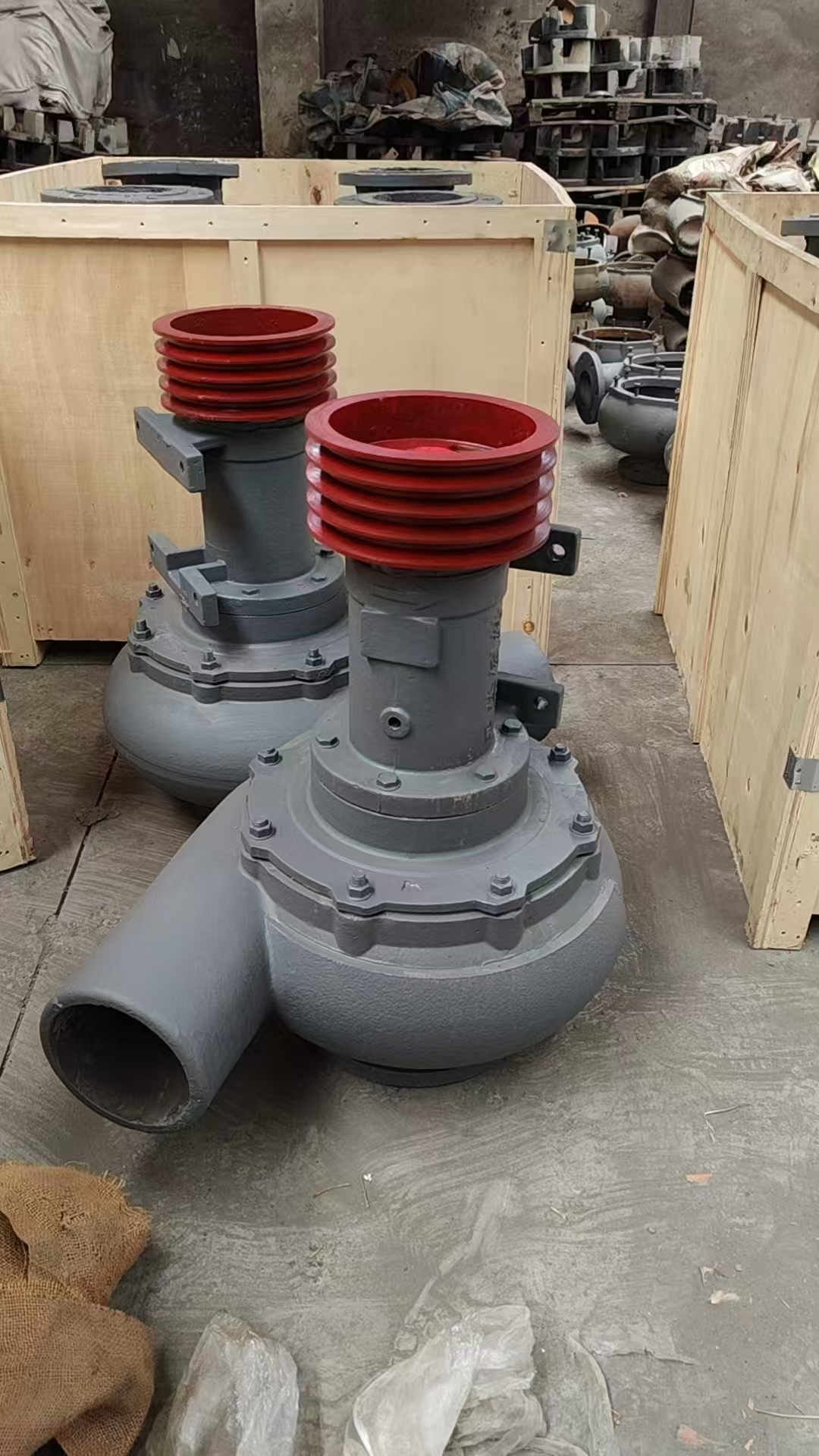
When a South African buyer asks us for a mining slurry pump, the first message often contains an outlet size and a motor power. We can use that information to identify a possible pump family, but we cannot use it to confirm the pump. A 6-inch connection does not tell us the required flow, total head, sand size, slurry concentration or what happens in the suction line.
At Shandong Machen Machinery Equipment Co., Ltd., slurry pump selection starts with the working route. We put the pump, drive, hose and wear parts into the same review because one incorrect item can move the operating point away from the duty the mine actually needs.
The First Decision Is the Installation, Not the Catalogue Model
Our current mining pump range has two practical directions. The WSA horizontal slurry pump is normally reviewed when the mine can provide a stable base and a defined suction and discharge pipeline. The LSA vertical slurry pump is considered when material must be lifted from a pit, sump or tank and the pump needs to work closer to the lower slurry level.
| Site arrangement | Starting pump direction | What we still check |
|---|---|---|
| Planned suction line and long discharge route | WSA horizontal pump | Suction lift, total head, line losses, solids and pump speed |
| Pit, sump or settlement tank | LSA vertical pump | Liquid depth, mounting level, column length, particle size and head |
| Existing pipeline and drive | Replacement review | Actual operating point, connection, rotation, speed and failure history |
| Unstable or unavailable grid power | Diesel package review | Required shaft power, target speed, transmission loss and site elevation |
We do not force every enquiry into the WSA simply because it is our main horizontal range. If the suction arrangement cannot be made reliable, changing to a vertical layout can be more sensible than adding a larger engine to the horizontal pump.
What We Calculate from the Pipeline
The required head is not the vertical lift alone. We add static lift, pipe and hose friction, bends, valves and the pressure needed at the discharge point. This matters when slurry must travel across a long South African mine site or from a lower pit to a treatment area.
A route with 12 metres of elevation and several hundred metres of hose can require a very different pump from a short route with the same elevation. Hose diameter changes the friction loss, but simply increasing the diameter is not always the answer. Slurry must keep enough velocity to carry the solids; otherwise sand can settle in the line during low-flow operation or after a shutdown.
The Hydraulic Institute describes the real operating point as the intersection of the pump curve and the system curve. We follow that principle when reviewing an enquiry. The selected point should be practical on the expected slurry duty, rather than sitting at the edge of a clean-water curve.
Six Slurry Details That Change Our Selection
“Mining slurry” is too broad for a firm quotation. Gold tailings, river sand, coal fines, clay-rich material and coarse mineral slurry do not create the same hydraulic and wear conditions. These are the details we ask the buyer to separate:
- Required flow: the volume needed by the process, washing plant or transfer stage.
- Solids concentration: whether the figure is by weight or by volume, and whether it describes normal or peak operation.
- Largest particle: not only the average sand size. An occasional large stone can control the passage requirement.
- Particle character: fine or coarse, rounded or angular, and any available information about hardness.
- Carrier liquid: clean water, process water or another liquid, including temperature when it is unusual.
- Daily duty: hours per shift, starts and stops, seasonal changes and the expected production schedule.
Metso’s slurry pump handbook likewise treats concentration, particle distribution, shape, hardness and density as selection inputs. In our quotation work, imperfect field data are acceptable if the assumptions are written down. A photo of the material beside a ruler, a short video at the intake and a hand-drawn route are more useful than a precise number that does not represent normal operation.
We Review the Suction Side Before Adding Power
Horizontal slurry pumps are sensitive to poor inlet conditions. A long suction line, excessive lift, small hose, sharp bends or an air leak can reduce the pressure available at the impeller inlet. A larger motor or diesel engine does not repair that layout.
For a WSA enquiry, we ask where the pump centreline sits relative to the lowest working liquid level. We also need the suction length, diameter, number of bends and intake arrangement. If the water or slurry level changes during the season, we use the difficult credible level as a check instead of selecting only for the easiest day.
When the pump cannot stay close enough to the slurry, we discuss the LSA vertical arrangement or a change to the platform. Moving the pump can cost less than operating an oversized drive against a weak suction condition.
Clean-Water Curves Are the Starting Point
Published centrifugal pump curves are normally based on water. Higher slurry density changes power demand, while solids can reduce the head and efficiency available in actual service. We therefore use the water curve as the base, apply the information the buyer can provide and leave a reasonable operating margin.
We are cautious when an enquiry asks for maximum flow, maximum head and the smallest engine at the same time. Those three requests rarely describe one stable operating point. Our quotation should state the assumed duty and recommended speed so the buyer can compare proposals on the same basis.
For an existing installation, we ask for the current discharge pressure, approximate flow, motor current or fuel behaviour, pump speed and wear pattern. That evidence can show whether the old pump was incorrectly selected, running too fast or simply reaching the end of normal wet-end life.
Motor and Diesel Packages Need Different Checks
For an electric drive, we need the available voltage, frequency, starting method and site power limits. For diesel-driven mine pumps, we need the engine model, rated speed and whether the engine will be supplied by the buyer or by Machen.
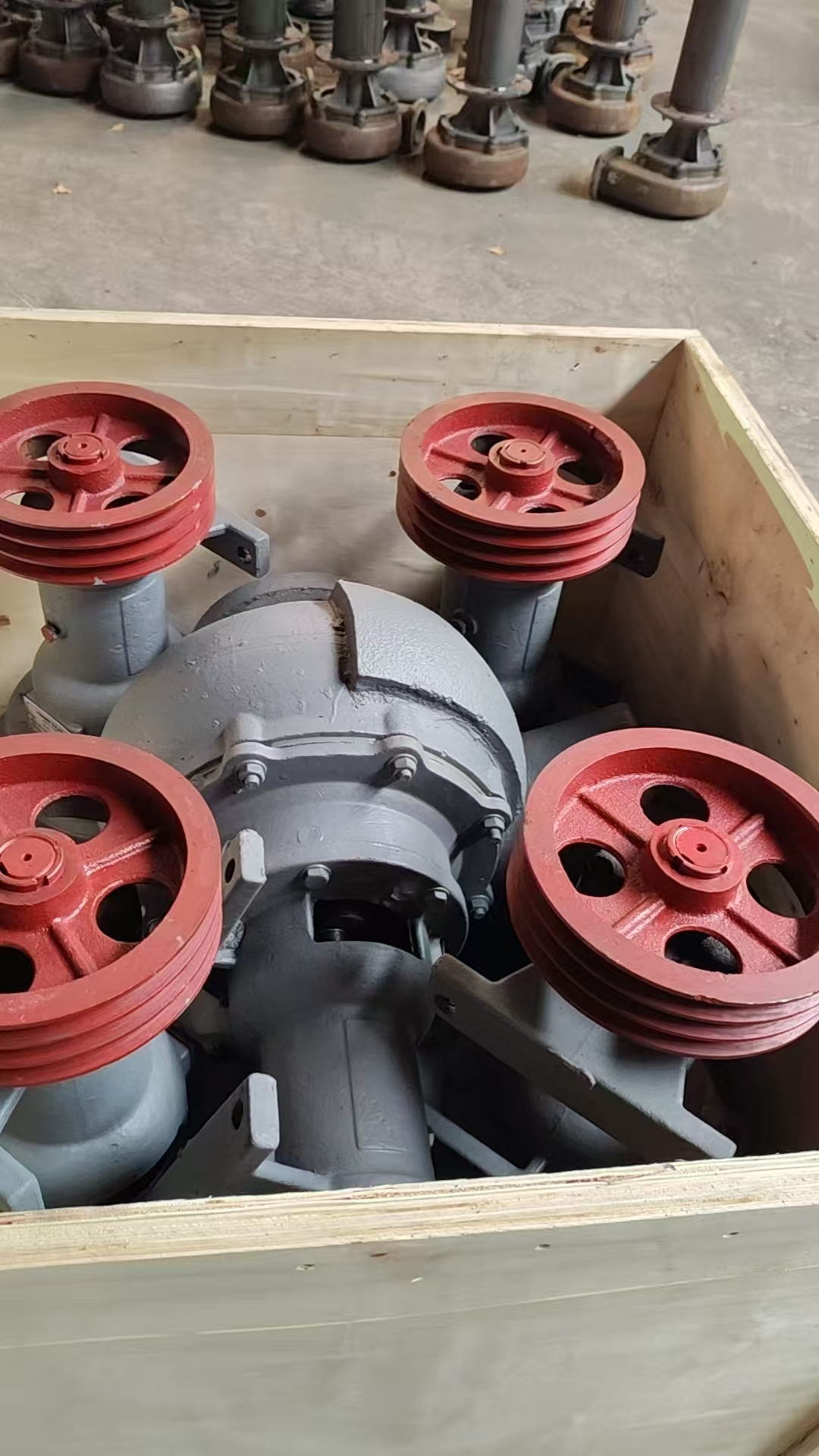
South African mining sites are not all at the same elevation. Site elevation and ambient conditions can affect the usable output of a diesel engine, so we ask for the project location instead of assuming catalogue power is available at the shaft. After checking the pump duty, we match the pulley ratio and belts to the target pump speed. A larger engine is useful only when the transmission and pump speed remain correct.
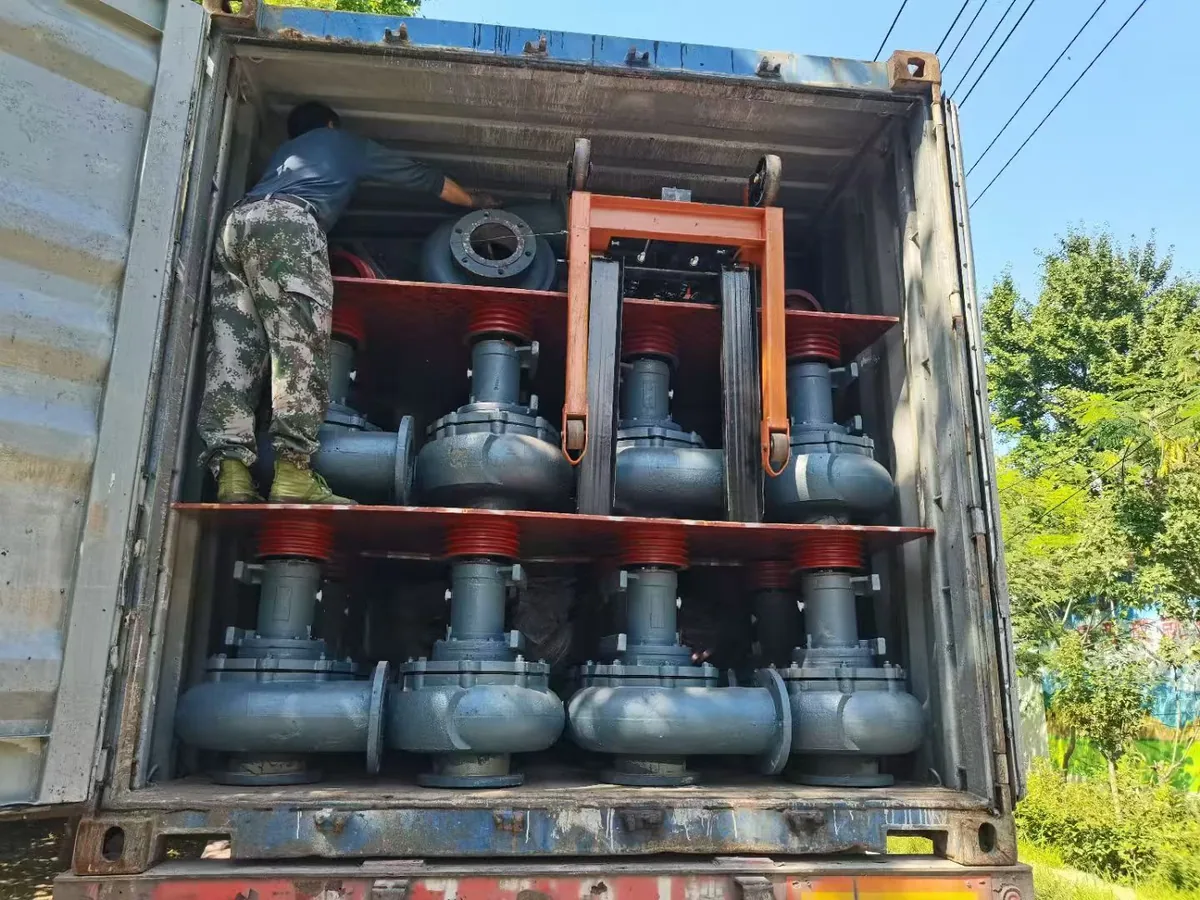
Machen can supply a diesel engine package with the pump, base, pulley and belt drive. If the buyer already owns the engine, a clear nameplate photo is required before we confirm the drive.
Hose Selection Is Part of Pump Selection
A slurry pump can be selected correctly and still perform poorly with an unsuitable line. We separate suction hose, abrasive discharge hose and clean-water hose in the quotation. Their construction, pressure duty and connections are not interchangeable.
For abrasive discharge, we review wear-resistant rubber mining hose according to pump outlet, material, route and pressure. PVC flat hose is reserved for clean or low-abrasion water duties where its construction is appropriate. We also confirm section lengths and connection pieces because a workable route on paper can become difficult to move and maintain in the field.
Our Wear-Parts Plan Starts with the First Shipment
Mining slurry wears the impeller and casing by design. The business problem is not that wear exists; it is a remote site stopping because the matching part was never identified or stocked.
For a new WSA order, we discuss the initial slurry pump parts list before packing. The normal starting points are the impeller, casing or second section, sealing items and drive consumables. Quantity depends on slurry severity, daily hours and the time needed to move a replacement shipment from our factory to the mine.
Our cast parts are matched to the confirmed WSA model and wet-end arrangement. For a replacement enquiry, the part name alone is not enough. We compare model, inlet and outlet, old-part photos, dimensions, bolt pattern and the parts that work together.
What a South African Buyer Should Send for a Firm Quote
One message containing the following information usually saves several rounds of email:
- Required flow and the process the pump must feed.
- Vertical lift, horizontal distance, hose or pipe diameter and major bends.
- Normal and lowest slurry levels, pump position and suction length.
- Solids concentration, largest particle, material photos and available density data.
- Operating hours per day and whether the line starts and stops frequently.
- Electric supply or existing diesel engine nameplate.
- Destination city, delivery point or port in South Africa.
- Whether the order needs a bare pump, complete drive, hose and starter spares.
We also ask whether the buyer is a mine owner, contractor or equipment dealer. A single project package and a repeat stock order need different documentation and spare-parts planning.
Three Shortcuts We Do Not Recommend
Selecting from outlet diameter alone
Diameter is a connection reference, not a duty point. Two pumps with the same outlet can have different curves, speeds and power requirements.
Using a bigger engine to solve every problem
Additional power does not remove air leaks, poor suction, settled solids or excessive friction. It can make wear worse if it allows the pump to run too fast.
Buying the pump first and matching the hose later
The line changes the system curve. Pump, hose, drive and operating route should be checked before the order is finalized.
Questions Buyers Ask Our Factory
Can Machen choose a slurry pump from a site video?
A video is useful, but it does not replace flow, lift, route and particle information. We use the video to understand the layout and confirm the written data.
When should a vertical slurry pump be considered?
We review the LSA when the pump must work close to material in a pit, sump or tank and a short, reliable suction arrangement for a horizontal pump is not practical.
Can you match a pump to an engine already in South Africa?
Yes, after checking the engine nameplate, rated speed, available power, pulley arrangement and the pump duty. We do not confirm compatibility from horsepower alone.
Which information has the biggest effect on price?
Pump size and material matter, but the complete price also changes with the drive, base, hose, connection pieces, spare parts, quantity and packing scope.
Our Factory Position on Slurry Pump Selection
Shandong Machen Machinery Equipment Co., Ltd. has manufactured sand pumping equipment since 2002. Our useful role is to turn site information into a pump package we can actually prepare: WSA or LSA pump, matched drive, hose connections and identified wear parts.
We will not claim one pump fits every South African mine. We will show the assumptions behind the recommendation and mark any site information that still needs confirmation. Review our slurry pump manufacturing scope and Africa mining pump packages, then send the quotation checklist through the project enquiry page.