Alluvial Gold Mining Sand Pump
A practical buyer guide for selecting an alluvial gold mining sand pump package, including pump type, diesel power, hose, spare parts and site data needed before quotation.
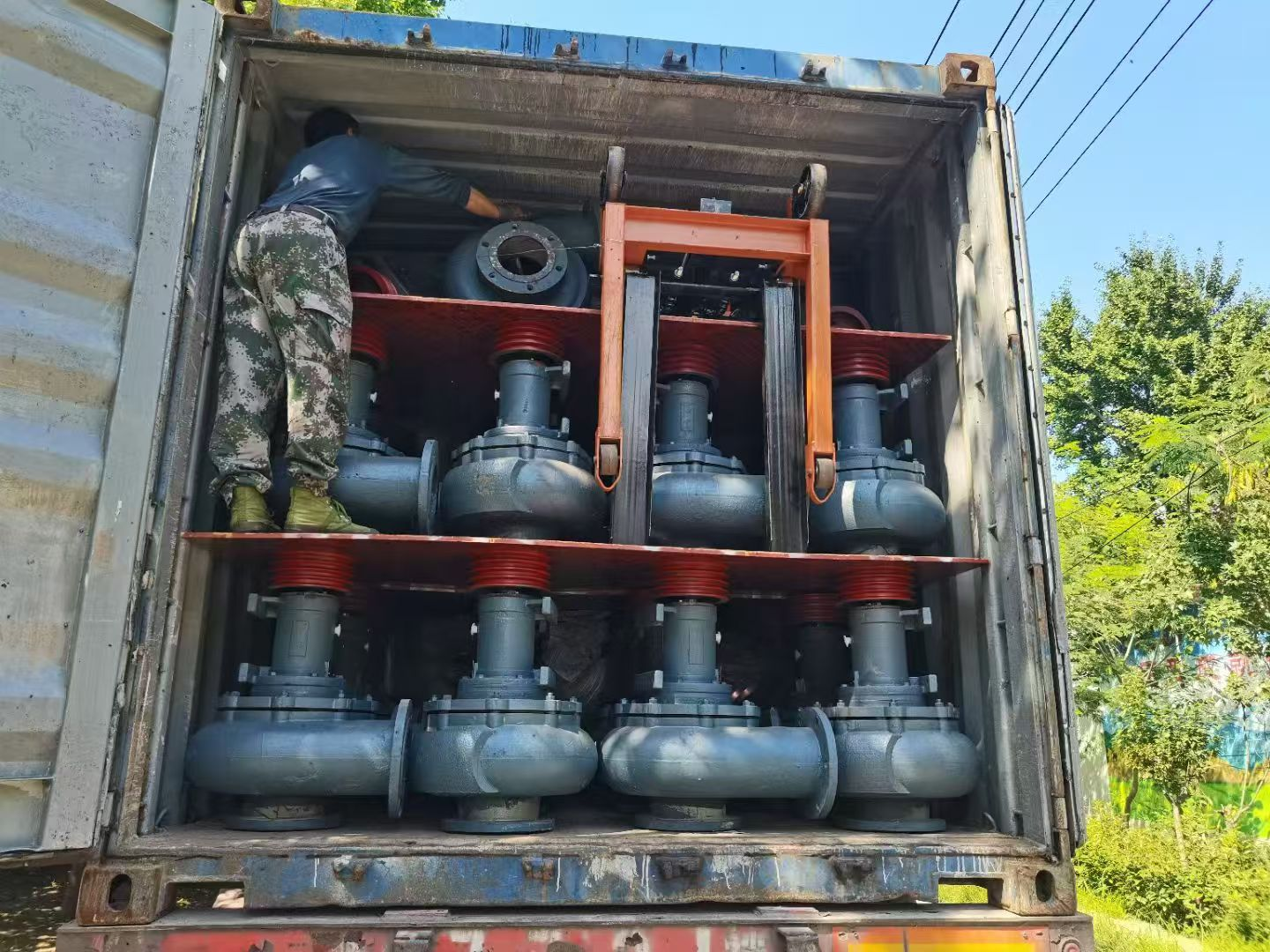
An alluvial gold mining sand pump is not selected by the pump name alone. Buyers need to match slurry concentration, gravel size, river depth, discharge distance, diesel power, hose connection and spare parts availability. This guide explains how to choose a practical pump package for river gold mining sites, especially when the equipment will work far from stable grid power and workshop support.
What an Alluvial Gold Mining Sand Pump Must Do
Alluvial gold sites usually move sandy water, gravel, clay and fine gold-bearing slurry from a river, pit or washing area to a sluice or recovery system. The pump must keep enough flow to feed the washing process while resisting abrasive wear from sand and small stones.
A useful pump package is therefore more than a bare pump. It normally includes the main sand pump, diesel engine or motor, pulley or coupling, suction hose, discharge hose, spare wear parts and support accessories. If one item is mismatched, the whole system can lose capacity or stop frequently.
- Move sand and slurry continuously without frequent blockage.
- Maintain enough head for the real discharge distance and site height difference.
- Work with diesel power where stable electricity is unavailable.
- Use hose and pipe sizes that fit the pump outlet and site layout.
- Keep key wear parts available for remote maintenance.
Horizontal Pump or Vertical Pump: Which One Fits the Site?
Horizontal sand pumps are often used when the pump can be installed near the slurry source and connected by suction hose. They are common for river sand pumping, alluvial gold washing and general slurry transfer where installation space is available.
Vertical sand pumps are useful for pits, sumps and deeper slurry collection points where the pump body needs to work closer to the slurry. The choice depends on depth, suction condition, solids content and how the operator plans to move the pump around the site.
| Site condition | Common pump direction |
| River-side slurry transfer with accessible suction point | WSA horizontal sand pump |
| Pit, sump or deeper collection point | LSA vertical sand pump |
| Longer discharge distance or higher lift | Confirm head and diesel power before quotation |
| Heavy abrasive sand or gravel | Confirm casing, impeller and spare parts plan |
Key Selection Factors Before Buying
The most common mistake is asking only for pump price. For gold mining work, the better question is whether the pump package can keep working under the real site condition. A small price difference can become expensive if the pump is undersized, the hose is too weak or the diesel engine cannot hold stable speed.
Before selection, prepare the working data. Even approximate data helps the supplier avoid a blind quotation.
- River or pit depth and suction condition.
- Slurry material: fine sand, coarse sand, gravel, clay or mixed material.
- Estimated flow requirement for the washing plant or sluice.
- Discharge distance and height difference.
- Available power: diesel engine, electric motor or both.
- Required hose length, outlet size and connection type.
- Expected working hours per day and spare part demand.
Diesel Engine, Hose and Spare Parts Matter
For many African river gold sites, diesel power is the practical choice because the pump must work away from stable electricity. The diesel engine should be matched with the pump speed and site load, not chosen only by model name.
Hose selection also affects performance. A weak hose can collapse on suction or wear quickly on discharge. Spare parts such as pump casing, impeller, second section and pulley should be planned before shipment, because waiting for parts after the pump reaches a remote mining site can stop production.
- Match diesel engine power with pump head, flow and working hours.
- Use wear-resistant discharge hose when slurry contains abrasive sand.
- Keep impeller and casing parts available for repeat replacement.
- Confirm pulley and belt matching when the package uses belt drive.
How Machen Machinery Builds a Matched Package
Machen Machinery focuses on practical pump packages for alluvial gold mining buyers. The target is not simply to ship one pump, but to help the buyer combine pump, power, hose and spare parts into a working field setup.
A matched package can reduce communication errors for traders, mine owners and purchasing teams. It also makes later replacement easier because the parts and model information are recorded from the beginning.
Related Product Pages
- WSA Horizontal Sand Pump
- LSA Vertical Sand Pump
- Diesel Engines for Pump Power
- Mining Hose and Water Pipe
- Slurry Pump Spare Parts
- African Alluvial Gold Mining Sand Pump Package
Frequently Asked Questions
What pump is commonly used for alluvial gold mining?
A horizontal sand pump is common when the pump can be installed near the river or slurry source. A vertical sand pump may be better for pits or deeper slurry collection points. The final choice depends on depth, discharge distance, solids content and power condition.
Can a sand pump move gravel?
A sand pump can handle sandy slurry and small particles within its design range, but large stones or oversized gravel can damage the pump or block the system. Buyers should describe particle size before quotation.
Is diesel power suitable for gold mining sand pumps?
Yes. Diesel engines are often used where grid power is not stable. The engine must be matched with the pump speed, head and working hours.
What spare parts should be prepared?
Common spare parts include pump casing, impeller, second section, pulley, belt and seals. For abrasive slurry work, wear parts should be planned before shipment.
Send Working Conditions Before Quotation
For a matched quotation, send river depth, slurry material, estimated flow, discharge distance, outlet size, working hours, diesel power requirement and destination country. Machen Machinery can then match the pump, hose, diesel engine and spare parts as one practical package instead of quoting isolated items.
Request a matched gold mining pump package quote.
For factory supply, diesel-drive matching and the complete WSA order list, use Machen’s sand dredge pump manufacturer page.