Rubber Hose for Gold Mining Pump Packages
Machen's factory order method for gold mining rubber hose, including pump matching, slurry, route, section length, connections and remote-site spares.
Machen does not add a rubber hose to a gold-mining pump quotation as a generic accessory. The discharge line changes how the pump operates, how quickly the system wears and whether the equipment can be assembled after it reaches the mine. We therefore confirm the hose with the pump, diesel engine and pipeline route.
This is the order method used by Shandong Machen Machinery Equipment Co., Ltd. for alluvial gold-mining packages. It is written for buyers preparing real site data, not for comparing hose color or a single price per meter.
What the Gold Mining Hose Will Carry
Alluvial mining lines may carry fine sand, clay, gravel-bearing slurry or mostly water at different stages of the process. The buyer should describe both the normal material and the largest solids expected. A hose suitable for wash water is not automatically suitable for abrasive pump discharge.
For slurry and sand discharge, review the abrasion-resistant mining hose. For clean-water supply, the separate PVC flat hose may be more practical. Machen keeps these two duties separate so the commercial product page does not promise the wrong construction.
Matching the Hose with the Pump Outlet
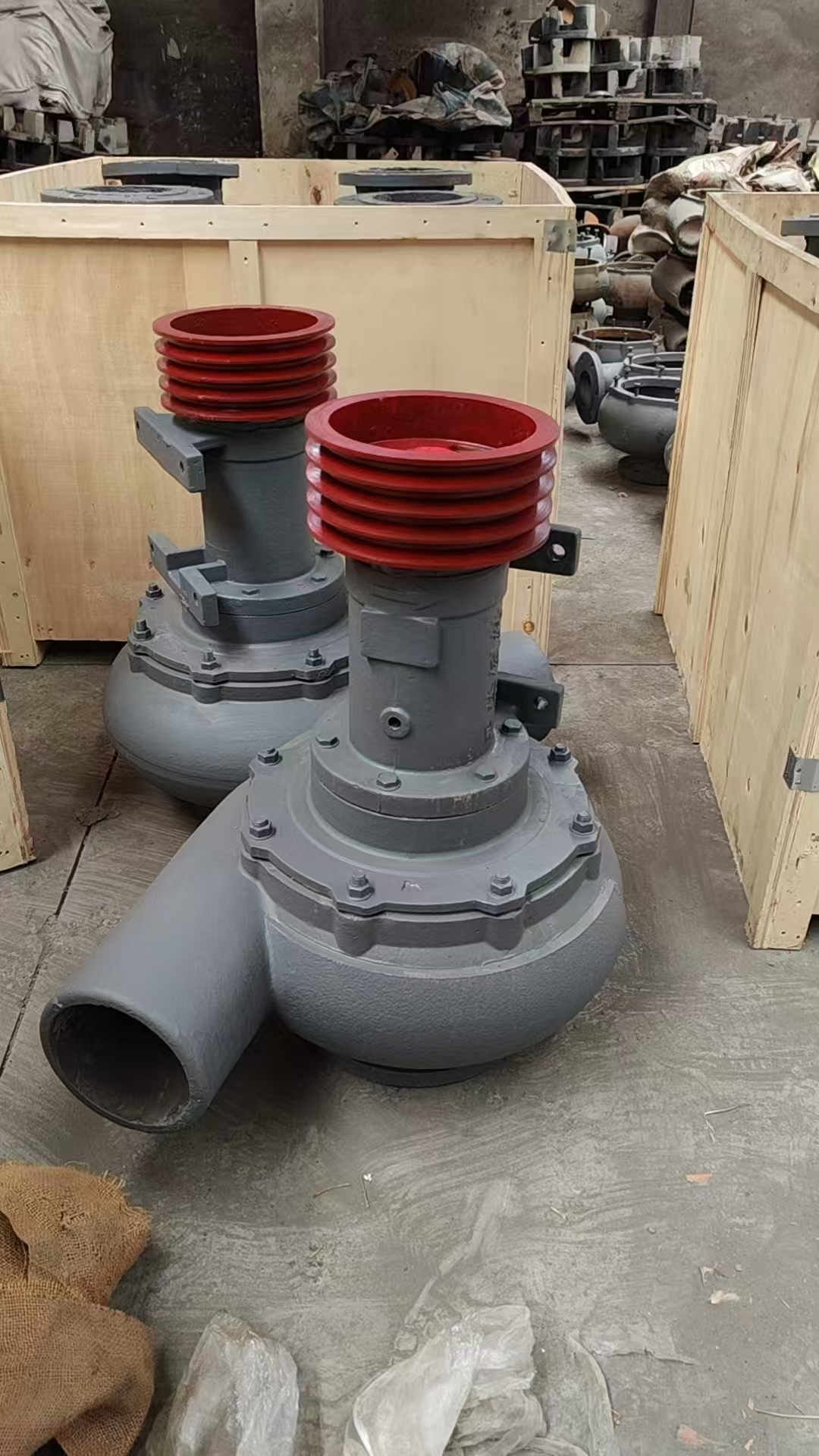
The pump outlet size is our starting reference. We then check expected flow, solids, line length and lift. Reducing the line can create additional resistance. Increasing it without checking slurry velocity can allow solids to settle. The final arrangement needs to work with the selected WSA horizontal sand pump, not merely fit its flange.
If the buyer already owns the pump, we request the nameplate, outlet photos and principal dimensions. If Machen supplies the complete package, the pump and hose records are kept together for later spare and replacement orders.
Why Route Length Alone Is Not Enough
A buyer may ask for 50 or 100 meters of hose, but the total length does not show the real resistance. We also need vertical rise, bends and changes in elevation. A line that climbs from a river bed to a sluice has a different duty from a level line of the same length.
We prefer a simple hand-drawn route over a vague description. Mark the pump, the highest point, sharp bends, road crossings and the discharge point. This is usually enough to identify questions before production.
Section Lengths and End Connections
Long continuous sections can be difficult to move and expensive to replace. Shorter sections may be easier for remote crews to handle, but every joint introduces another connection that must be secured and maintained. Machen discusses the section layout with the buyer instead of choosing it from a standard table.
Connection type must be confirmed by photo or drawing. We check the flange, clamp or coupling arrangement and list the agreed components. A hose quotation that omits the end connection is not a complete pump-package quotation.
Suction Hose and Discharge Hose Are Different Orders
The hose on the pump inlet must resist collapse under suction. The discharge hose must be selected for internal pressure, route movement and abrasion. Even if both sides use the same nominal diameter, their construction may differ. Buyers should label each requested section by position.
For pit and water-removal projects, use our mine dewatering hose selection checklist. It separates clean-water, solids-bearing and suction positions before the products are chosen.
What We Ask Before a Firm Quotation
- Pump model, outlet size, flow and head if available.
- Slurry description, solids concentration and largest particles.
- Total horizontal distance, vertical lift and number of bends.
- Required section lengths and whether each section is suction or discharge.
- Connection photos, flange dimensions or coupling standard.
- Daily operating hours and whether the route is moved frequently.
- Destination country, quantity and shipment schedule.
How We Plan Spares for an African Mining Site
The highest-wear hose is not always the longest section. A moving bend, a poorly supported pump connection or the first abrasive discharge section can fail sooner. We ask which part is hardest to replace locally and discuss one justified service spare rather than adding random lengths.
For a new package, hose spares can ship with the pump’s impeller, casing, second section and connection consumables. This reduces the risk that a low-cost wear item stops a higher-value machine while the site waits for freight.
Questions Buyers Commonly Ask Machen
Can you quote from the words “yellow line slurry transfer hose”?
Not firmly. A color or local trade term does not define pressure, reinforcement or abrasion duty. We use the material, pump data, route and connection to confirm the product.
Do you supply hose without a new pump?
Yes, provided the existing pump outlet, duty and connection can be confirmed. Photos and measurements are required for replacement orders.
What is the first information Machen needs?
Send the pump nameplate, outlet photo, material description and a route sketch. The mining hose product center shows the available water and slurry directions.