
Mine Dewatering Hose Selection for Mining Pump Systems
Manufacturer selection method for mine dewatering hose, covering water and solids, pump outlet, route, suction, discharge, connections and service spares.
When Machen receives a mine dewatering inquiry, the first question is not the hose color or a price per meter. We need to know what the pump will actually remove. Clear pit water, muddy runoff and sand-bearing water can use very different hose constructions even when the outlet diameter is the same.
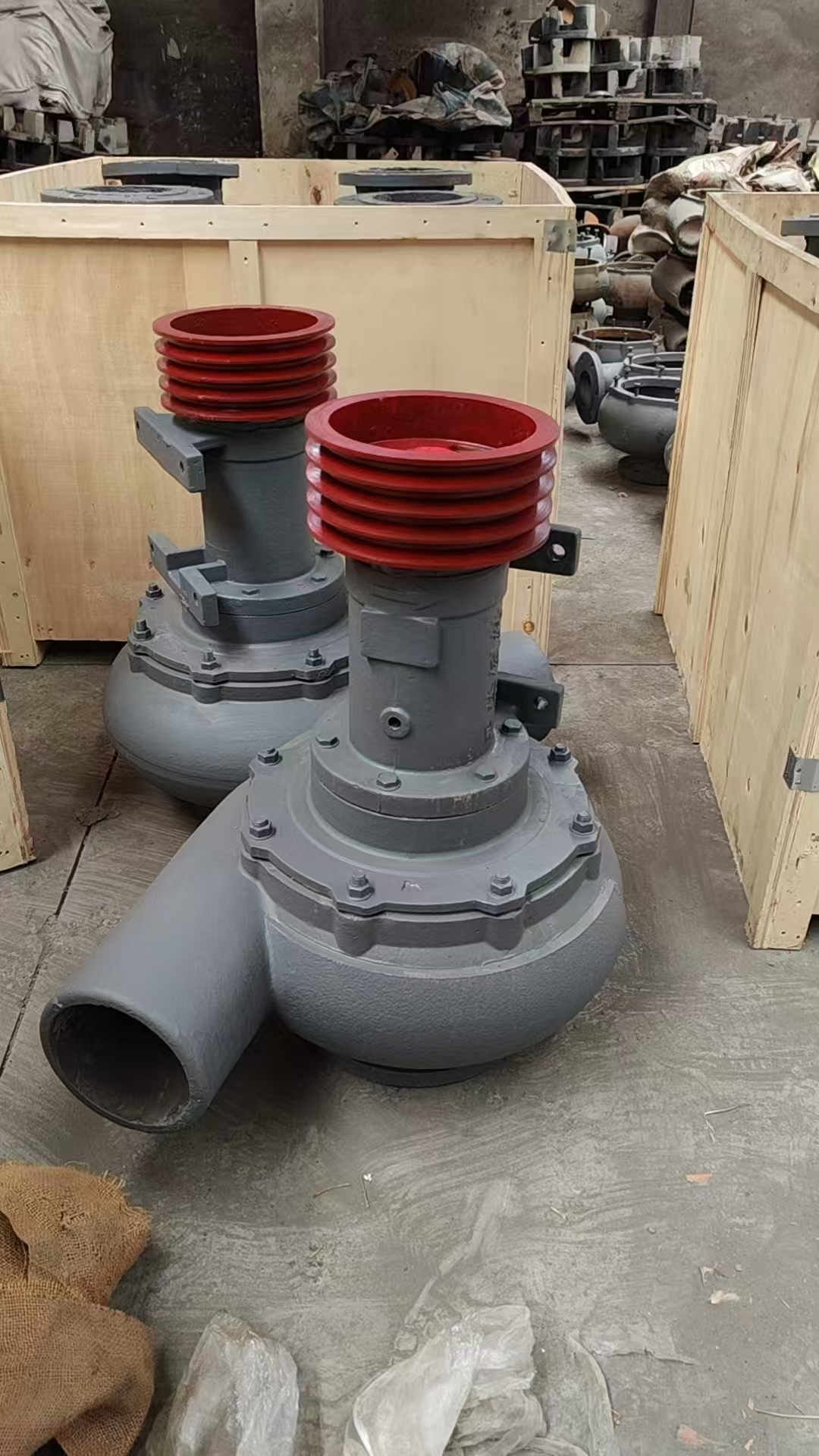
Shandong Machen Machinery Equipment Co., Ltd. supplies hose with sand and slurry pump packages. Our job is to separate the water-transfer sections from the abrasive sections, confirm each connection and prepare a shipment that can be installed at the mine without guessing.
Start with the Water, Not the Product Name
“Mine dewatering hose” is a use description, not a complete specification. A drainage line may carry rainwater from an open pit, water collected in a sump, muddy water from a river bank or water mixed with abrasive sand. Before selecting a hose, we record the normal material and the worst condition expected after rain or excavation.
For clean or low-abrasion water, a PVC flat mining water hose can be practical for temporary routes. If visible sand or mineral solids move through the line, we review the abrasion-resistant rubber hose instead. The product boundary matters because an inexpensive water line can become an expensive shutdown when used for slurry.
The Pipeline Data We Check at the Factory
Pump outlet and expected flow
The pump outlet provides the first diameter reference, but it does not finish the selection. Flow must remain suitable for the water and any solids. A smaller hose increases resistance; a line that is too large for solids-bearing water can allow material to settle.
Horizontal distance and vertical lift
Send a simple route sketch with total horizontal distance, vertical rise and major elevation changes. A “100-meter line” on level ground is not the same duty as a 100-meter line that climbs out of a pit. This information helps us review the pump and hose as one system.
Bends, movement and crossings
Sharp bends and frequently dragged sections usually need more attention than straight fixed runs. Mark road crossings, excavator traffic and places where the hose enters or leaves the water. If protection or shorter replaceable sections are sensible, they should be planned before shipment.
Suction and discharge positions
A discharge hose is selected for internal pressure and, where relevant, abrasion. A suction hose must also resist collapse under vacuum. Machen asks the buyer to label every section as suction or discharge; we do not treat them as interchangeable.
How We Divide a Dewatering Hose Package
For a mixed site, one continuous hose type is often unnecessary. We may divide the line into a short confirmed suction section, an abrasion-resistant discharge section near the pump, and a lighter water-transfer section only where the material has settled and the duty allows it. The exact arrangement depends on the site data.
Each quoted section should show its position, length and connection. This makes installation clearer and lets the mine replace the section that actually wears instead of buying the complete route again.
Connections Need the Same Attention as the Hose
Many field problems start at the connection, not in the middle of the hose. Send the pump outlet photo, flange dimensions, clamp style or existing coupling details. Machen records which end connection belongs to each section and lists the agreed fittings in the quotation.
Do not rely on a nominal diameter alone. Flange standards, bolt patterns and local coupling systems can differ. Photos with a measuring tape and a simple drawing are more useful than a translated fitting name.
Spare Hose Planning for Remote Mining Sites
A remote African mine should not wait for international freight after the first worn section fails. We normally discuss one spare for the highest-risk section: a moving bend, the pump discharge connection or the part exposed to the most abrasive material. The right quantity depends on operating hours, route movement and access to local replacements.
The same shipment can include the WSA sand pump, wet-end spares and connection consumables. The objective is not to increase the parts list without reason; it is to prevent one predictable wear item from stopping the full pump package.
Information to Send for a Firm Hose Selection
- Pump model, outlet size and nameplate photo.
- Expected flow and head, if already calculated.
- Water condition, solids type and largest particle.
- Horizontal distance, vertical lift, bends and route sketch.
- Suction and discharge section lengths.
- Connection photos, dimensions and preferred coupling method.
- Daily operating hours, destination and required delivery schedule.
Mine Dewatering Hose Questions We Resolve Before Quoting
Can a PVC flat hose handle mine drainage?
It can be suitable for clean or low-abrasion water within its confirmed duty. Sand-bearing or abrasive drainage should be reviewed as a rubber mining-hose application.
Can Machen select the hose from a pump photo?
A photo helps identify the connection, but we still need the route, lift, material and operating requirement. These factors determine whether the proposed line is practical.
Where should the buyer start?
Use the mining hose product center to compare the two hose groups, then send the pump nameplate and a route sketch. We can review the hose together with the pump package instead of pricing an isolated tube.