Mining Slurry Pump Parts Replacement Guide for Gold Sites
A practical mining slurry pump replacement guide covering wet end parts, wear symptoms, part identification, inspection and spare-parts planning for gold sites.
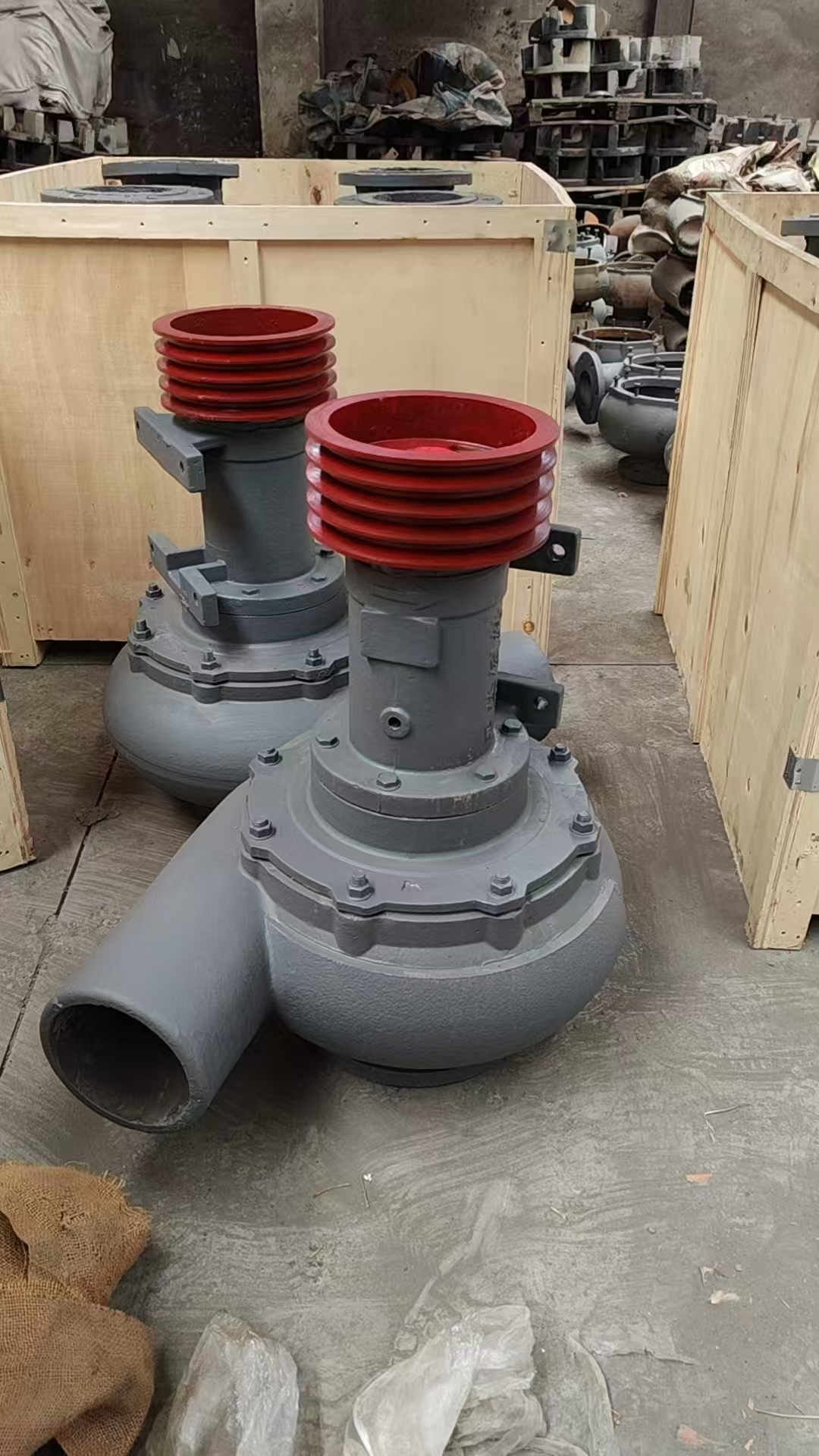
Mining slurry pump replacement is not simply a matter of ordering a part with the same name. In alluvial gold mining and mineral processing, the pump handles sand, gravel, clay and tailings that progressively change the clearances inside the wet end. The correct replacement must match the pump model, dimensions, material and working conditions.
This guide explains how to inspect, identify and plan slurry pump parts for WSA horizontal sand pumps and comparable centrifugal slurry pump duties. It is written for mine owners, maintenance teams and buyers who need to reduce downtime at remote sites.
Why Mining Slurry Pump Replacement Planning Matters
Abrasive slurry continuously impacts the impeller, casing and wear surfaces. As clearances increase, internal recirculation rises and the pump may deliver less flow and head even though the drive is still running normally. Continuing to operate can increase vibration, power consumption and damage to adjacent components.
At remote African gold sites, the biggest cost is often not the replacement part itself. It is stopped production, emergency freight and the risk that a rushed order does not fit. A planned wear-parts package should therefore be prepared with the main pump and reviewed against actual operating hours.
Main Slurry Pump Wet End Parts
Impeller
The impeller transfers energy to the slurry. Abrasion changes the vane profile and reduces hydraulic efficiency. Warning signs include lower output, unstable pressure, vibration and visible thinning around vane leading edges. Record the diameter, vane count, mounting detail and matching casing dimensions before replacement.
Pump Casing
The casing contains the flow path and receives direct particle impact. Local grooves, thinning, leakage and an enlarged internal profile indicate replacement may be required. Confirm the inlet and outlet sizes, bolt pattern and material. See the slurry pump casing page for the information needed for matching.
Second Section and Wear Plate
The second section or wear plate maintains the clearance around the impeller. Uneven wear can cause recirculation and rapid loss of performance. It should be inspected together with the impeller, not treated as an unrelated component.
Sealing and Drive Components
Sealing parts prevent leakage around the shaft, while pulleys and belts determine pump speed on diesel-driven packages. A replacement pulley must match the engine speed, pump target speed, shaft diameter and belt section. Incorrect speed can accelerate wear or overload the engine.
Wear Symptoms and Corrective Action
| Observed symptom | Possible cause | What to check |
|---|---|---|
| Flow or head gradually decreases | Worn impeller, casing or excessive clearance | Wet-end profile, clearances, suction condition and pump speed |
| New vibration or noise | Uneven impeller wear, blockage or bearing/drive issue | Impeller balance, solids blockage, shaft and pulley alignment |
| Casing leakage | Wall thinning, crack or damaged joint | Casing thickness, gasket face, bolts and operating pressure |
| Frequent belt slip | Wrong pulley ratio, alignment or belt tension | Engine and pump speed, pulley condition and belt section |
| Rapid wear after recent replacement | Wrong material, excessive speed or off-design operation | Slurry particle size, solids concentration, duty point and material |
How to Identify the Correct Mining Pump Spare Parts
Send enough information for the supplier to compare geometry and duty. A pump model alone may be insufficient when equipment has been modified, rebuilt or supplied with different materials.
- Pump model, nameplate and outlet size.
- Clear photos of the old part from several angles.
- Major diameters, thicknesses, hole positions and shaft connection.
- Material being pumped, maximum particle size and approximate solids concentration.
- Required quantity, operating hours and destination country.
For an overview of the impeller, casing and other wet components, read the slurry pump wet end parts guide. Buyers planning stock for African projects can also use the mining pump spare parts for Africa guide.
Recommended Spare Parts Package
For a new WSA horizontal sand pump, a starter package normally considers an impeller, casing or wear-section components, sealing items, drive belts and important fasteners. The exact quantity should be based on slurry abrasiveness, daily operating hours, seasonal access and freight lead time.
For a deeper pit or sump application using an LSA vertical sand pump, confirm installation depth and the material around the inlet. The wear pattern can differ from a horizontal pump operating with a long suction and discharge hose.
Inspection and Replacement Interval
There is no universal replacement interval for slurry pump wet parts. Start with frequent inspections after commissioning, record thickness or clearance changes, and then set the interval from actual wear. The first records become the basis for forecasting spare-part demand instead of relying on a generic number of hours.
After replacement, verify shaft rotation, clearances, fastener torque, pulley alignment and leakage before returning to full load. Record the date, operating hours and removed-part photos so later failures can be compared.
Mining Slurry Pump Replacement FAQ
Which slurry pump parts should be kept on site?
Remote sites commonly keep the fastest-wearing wet-end parts, sealing items and essential drive components. The list should reflect the pump model and actual inspection records.
Can a worn impeller be replaced without changing the casing?
Sometimes, but the casing and wear clearances must be inspected. A badly worn casing can reduce the benefit and service life of the new impeller.
What causes slurry pump parts to wear too quickly?
Common causes include high particle velocity, unsuitable material, excessive pump speed, operation away from the best duty range, cavitation, poor suction conditions and unexpectedly coarse solids.
How can Machen Machinery confirm a replacement part?
Send the pump nameplate, old-part photos, dimensions and working conditions through the contact page. Machen Machinery can review the pump, diesel engine, mining hose and wear parts as one package to reduce field mismatch.
Use the individual factory pages to prepare dimensions and photos for the slurry pump impeller, pump casing and second section. The slurry pump parts center lists the complete WSA replacement range.