Slurry Pump Wet End Parts Guide for Gold Mining
A practical guide to slurry pump wet end parts, wear symptoms, inspection and ordering impellers, casings and wear sections for abrasive gold mining.
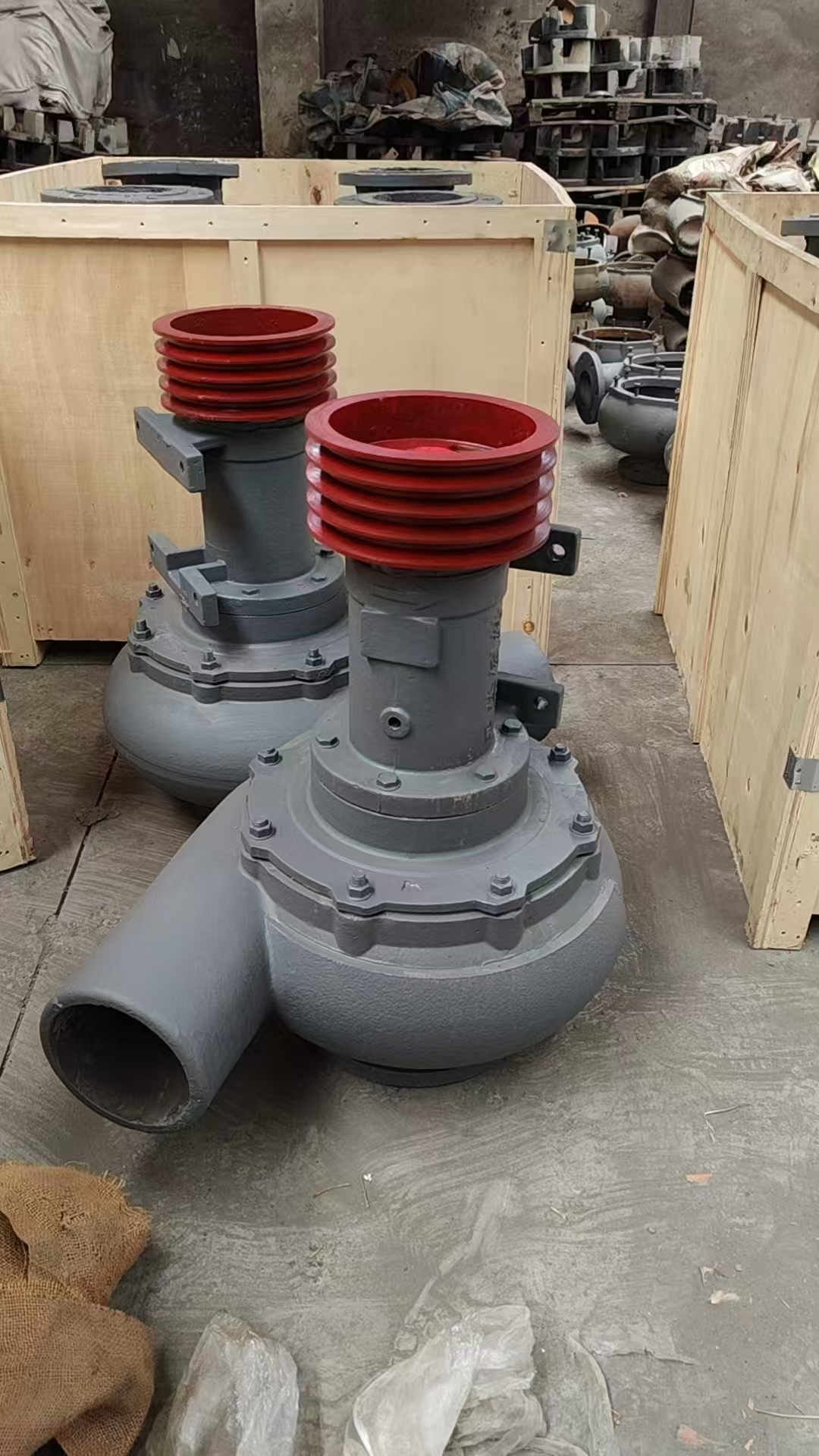
Slurry pump wet end parts are the components that contact the pumped mixture and form the hydraulic passage. In gold mining, these parts face continuous impact from sand, gravel, clay and mineral particles. Their condition directly affects flow, head, efficiency, vibration and leakage.
This guide explains the function of the main slurry pump wet parts, the symptoms of wear and the information needed when ordering replacements. Buyers looking for complete supply can review Machen Machinery’s slurry pump parts and mining pump spare parts.
What Counts as a Slurry Pump Wet End Part?
The wet end normally includes the impeller, pump casing or volute, wear plate or second section, and the sealing area around the shaft. The exact arrangement changes by pump design, but these components work as one hydraulic set. Replacing one part without checking the others can leave excessive clearance and reduce the life of the new component.
Main Slurry Pump Wet Parts and Their Functions
| Wet end part | Main function | Common wear sign |
|---|---|---|
| Impeller | Transfers rotational energy to the slurry | Rounded or thinned vanes, reduced flow and vibration |
| Pump casing | Contains and guides slurry toward the discharge | Grooves, wall thinning, leakage and enlarged flow passage |
| Second section / wear plate | Controls clearance around the impeller | Uneven face wear and increased internal recirculation |
| Sealing components | Limit leakage around the shaft | Persistent leakage, heat or contamination around the seal |
Slurry Pump Impeller
The impeller is usually one of the fastest-wearing components because its vanes accelerate the slurry. Wear changes the vane profile and the effective diameter. A pump can continue running while output gradually falls, so maintenance teams should compare performance and inspect the impeller before a severe failure.
When requesting an impeller replacement, send the outside diameter, vane count, mounting detail, photos and matching pump model.
Pump Casing
The casing receives particle impact and contains system pressure. Local thinning can develop near high-velocity areas. Leakage, visible grooves and falling efficiency are reasons to inspect the casing profile and wall condition. Use the pump casing page to prepare matching information.
Second Section and Wear Plate
This part controls the clearance around the impeller. When the face wears unevenly, slurry recirculates inside the pump and usable output decreases. Check it together with the impeller and casing so the wet end is restored as a set.
Why Wet End Parts Wear Quickly
Wear rate is influenced by particle hardness, size and shape; solids concentration; pump speed; operating point; suction conditions; and component material. Excessive speed increases particle velocity, while operation far from the intended duty can create recirculation and uneven wear. Cavitation may add pitting and vibration on top of abrasion.
Material selection should therefore follow the actual slurry. White cast iron and other hard metal options are commonly considered for abrasive mineral duties, while different materials may be preferred where impact, corrosion or large particles dominate. Availability and suitability must be confirmed for the specific pump.
Wet End Wear Diagnosis
- Lower flow or head: inspect impeller profile, casing wear, internal clearance and pump speed.
- Vibration or noise: check uneven impeller wear, blockage, shaft condition and alignment.
- Leakage: inspect the casing, joints, sealing area and operating pressure.
- Rapid repeat wear: review material, solids size, pump speed and the selected duty point.
How to Order Slurry Pump Wet End Parts
Do not rely on a general description such as “mining pump parts.” Send the pump model and nameplate, outlet size, old-part photos, major dimensions, material requirement and working slurry. If a part is badly worn, include photos of the matching components to help reconstruct the original profile.
For a complete replacement workflow, read the mining slurry pump parts replacement guide. African maintenance teams can also use the mining pump spare parts for Africa procurement guide.
Inspection and Stock Planning
New sites should inspect the wet end frequently after commissioning and record wear with photos, measurements and operating hours. Once the actual wear rate is known, the site can set a practical inspection interval and stock level. Remote projects should carry critical wet parts before the working season begins.
Slurry Pump Wet End Parts FAQ
Are wet end parts the same as all slurry pump spare parts?
No. Wet end parts contact the slurry directly. Bearings, pulleys, belts and other drive components are spare parts but are not normally classified as wet end components.
Can wet end parts from different pumps be interchanged?
Only when geometry, dimensions, mounting and materials are confirmed. Similar appearance is not enough for safe interchangeability.
What information is required for a quotation?
Send the pump model, photos, dimensions, material, quantity, working medium and destination through the contact page.
For a matched wet-end quotation, compare the impeller, casing and second section, then send the full set of photos through the parts center.