Slurry Pump Material Selection for Abrasive Gold Mining
How to select slurry pump wet-end materials for abrasive gold mining by comparing particles, wear patterns, operating conditions and component duties.
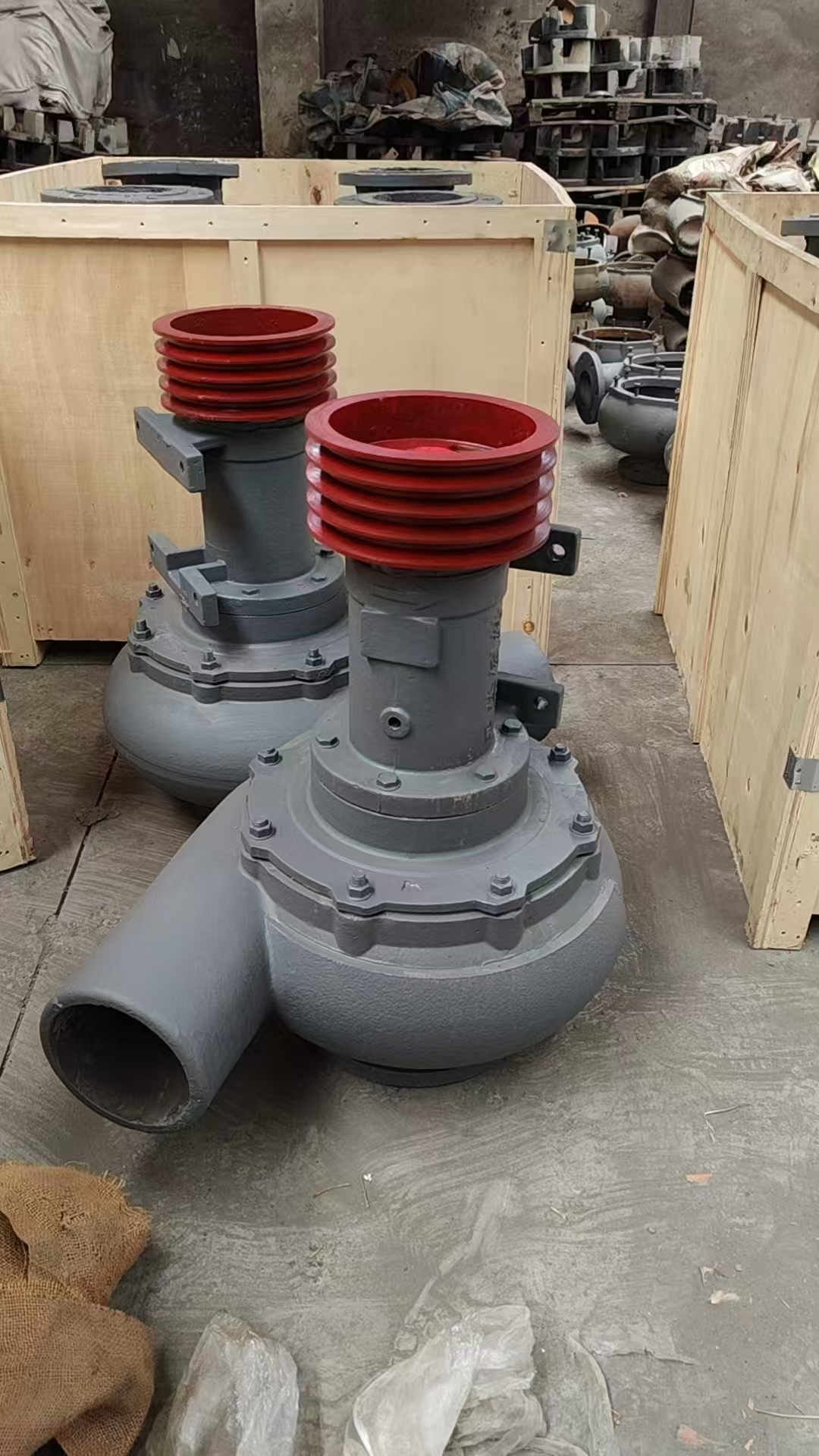
An abrasive slurry pump can fail early even when its flow and head are correctly selected if the wet-end material does not match the particles being pumped. Gold mining slurry may contain fine sand, sharp quartz, gravel, clay and process water. Particle hardness, size and velocity influence wear in different ways.
This guide explains how to approach slurry pump material selection for the impeller, casing and wear section. It does not replace a site-specific review, but it gives buyers a practical checklist before requesting a quotation.
Why Slurry Characteristics Matter
A material that performs well with fine abrasive slurry may not be the best choice for large impact particles or corrosive liquid. Start by describing the complete medium: solids type, maximum particle size, approximate concentration, temperature and any corrosive chemicals. Also record required flow, head and pump speed because higher velocity can accelerate wear.
Common Wet-End Material Approaches
White Cast Iron and Hard Metal
Hard metal options such as suitable white cast iron are commonly considered for abrasive mineral duties. Their hardness can resist cutting and sliding wear from sand. Exact grade, casting quality and heat treatment matter, so availability and suitability should be confirmed for the pump model and particle impact.
Gray Cast Iron
Gray cast iron such as HT250 may be used in suitable components and duties, but it should not automatically be treated as equivalent to a dedicated wear-resistant alloy. The supplier should review the part function, slurry and expected service conditions.
Rubber or Elastomer Linings
Rubber-lined designs can be useful for some fine-particle or corrosive slurries, but large sharp particles, high temperature or excessive velocity may damage elastomers. Confirm that the pump and parts are designed for the proposed lining rather than assuming a rubber component can replace a metal one.
Part-by-Part Material Selection
| Component | Main wear mechanism | Selection questions |
|---|---|---|
| Impeller | High velocity, abrasion, local impact and cavitation | Particle size, speed, vane profile and previous wear pattern |
| Pump casing | Sliding abrasion and local high-velocity impact | Wall thickness, flow path, material and operating point |
| Wear plate / second section | Clearance wear and recirculation | Face profile, matching impeller and adjustment method |
| Seal area | Abrasive contamination, heat and leakage | Seal arrangement, flushing and maintenance access |
Operating Conditions Can Override Material Choice
Even a good wear material can fail quickly when the pump runs too fast, suffers cavitation or operates far from the intended duty point. Restricted suction, air entry and excessive discharge resistance can create vibration and recirculation. Material selection should therefore be reviewed together with pump size, speed, piping and power.
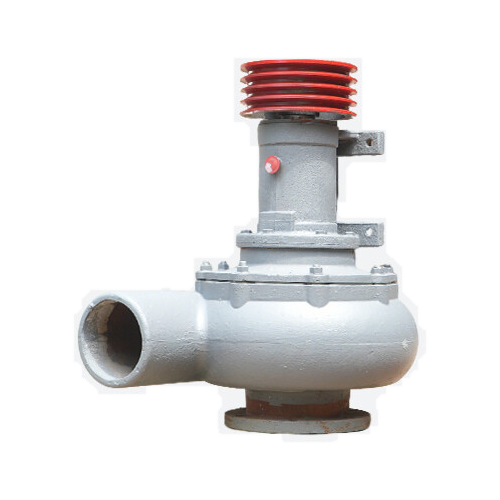
For package selection, see the WSA horizontal sand and slurry pump. Mining projects should also match the hose diameter and duty to the pump.
Use Removed Parts as Evidence
A worn impeller or casing contains useful information. Uniform thinning, local grooves, impact damage and cavitation pitting point to different causes. Photograph removed parts, record operating hours and compare locations of severe wear. This evidence is more reliable than selecting a new material from price alone.
Information to Send Before Quotation
- Pump model, outlet size, duty point and target speed.
- Solids type, maximum size and approximate concentration.
- Liquid chemistry and temperature where relevant.
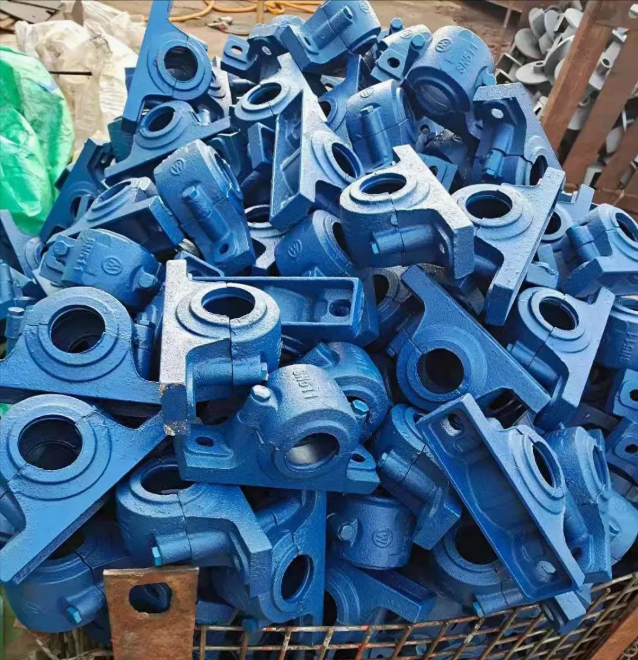
- Photos and dimensions of the existing slurry pump parts.
- Operating hours and the observed wear pattern.
- Required quantity and destination country.
Abrasive Slurry Pump Material FAQ
Is the hardest material always the best?
No. Hardness helps resist abrasion, but impact, corrosion, temperature, casting quality and component geometry also matter. A brittle material may be unsuitable where large particles create heavy impact.
Why did new wet-end parts wear faster than expected?
Possible causes include unsuitable material, excessive speed, cavitation, operation away from the selected duty point, larger particles or higher solids concentration than expected.
Should the impeller and casing use the same material?
Not automatically. They experience different local wear, but the hydraulic geometry and compatibility must remain correct. The pump supplier should review the wet end as a set.
How can I request a material recommendation?
Send the pump information, slurry details and old-part photos through the contact page. Machen Machinery will confirm which available material and part configuration can be quoted.
Apply the material review to the actual slurry pump impeller, pump casing and second section. Confirm the complete order through the parts center.
Material choice should be tied to the pump structure and operating point. Compare WSA and LSA configurations on Machen’s slurry pump manufacturer page, then use the removed wet-end parts as evidence for the next order.